Tanzania's 1,513 Threatened Species
A Country Built on Biodiversity Extremes
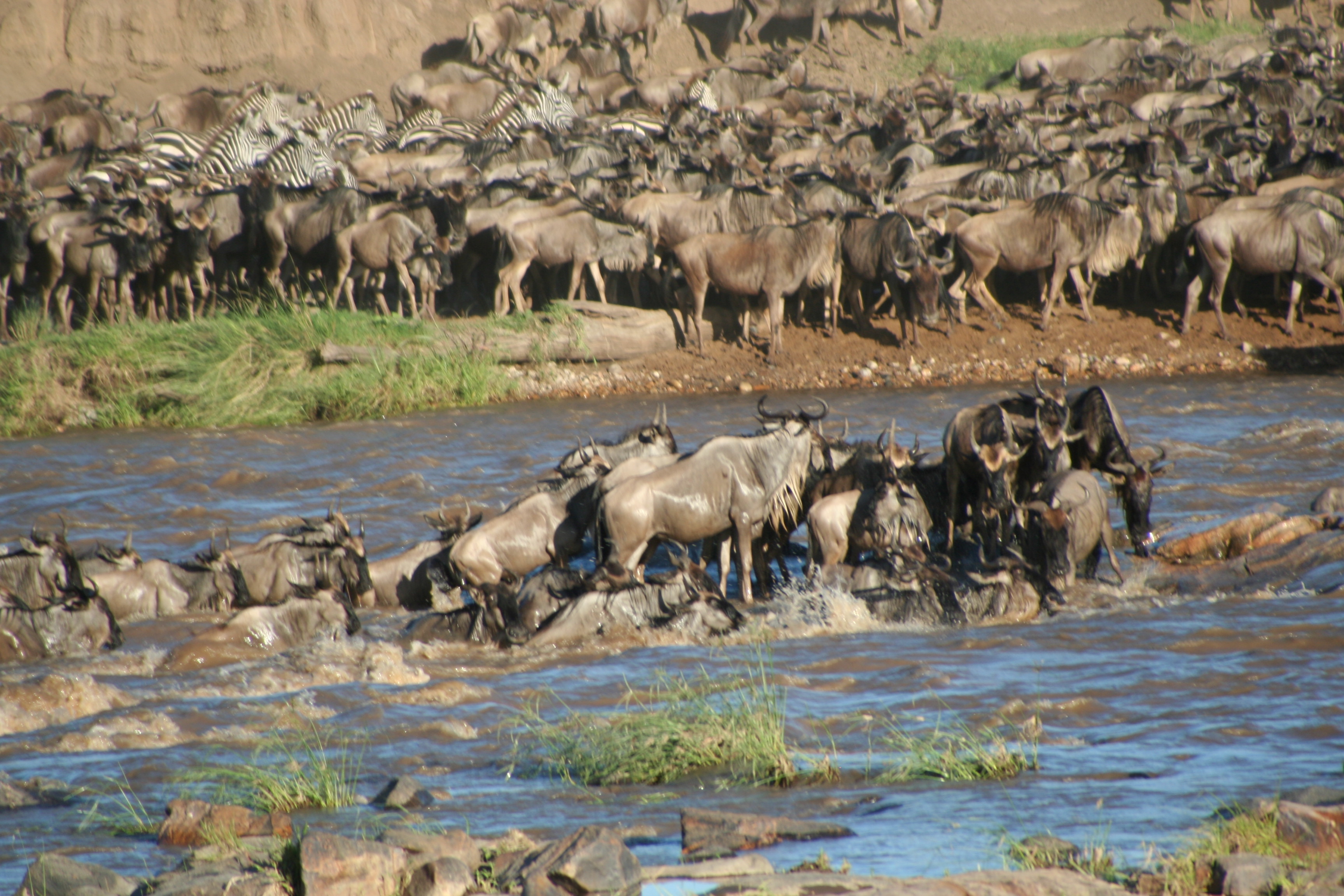
Few countries pack as much ecological range into one map as Tanzania. Snow-capped Kilimanjaro rises above savanna grasslands where the Serengeti-Mara migration thunders across the plains. Offshore, the coral reefs of Mafia Island and the mangrove channels of the Rufiji Delta shelter marine life found nowhere else on the Indian Ocean coast. Inland, the Udzungwa and Uluguru Mountains — part of the Eastern Arc Mountains and Coastal Forests biodiversity hotspot — hold plant and amphibian lineages that have been evolving in isolation for millions of years.
That range comes at a cost. According to IUCN Red List assessments compiled by SpeciesRadar, Tanzania is currently home to 1,513 threatened species — a figure that spans 252 Critically Endangered, 655 Endangered, and 606 Vulnerable species. Here is how that burden breaks down by taxonomic group:
| Taxonomic group | Threatened species in Tanzania |
|---|---|
| Flowering plants | 594 |
| Bony fish | 134 |
| Monocots (grasses, palms) | 60 |
| Insects | 55 |
| Amphibians | 34 |
| Reptiles | 25 |
Key Finding: Of Tanzania's 1,513 threatened species, 594 are Flowering plants — the most threatened taxonomic group in the country.
That single number reframes what "biodiversity loss" means in Tanzania. This is not primarily a story about charismatic mammals — it's a story about plants, and increasingly, about the fish and invertebrates tied to specific rivers, reefs, and mountain slopes.
Why Plants Carry the Heaviest Load
The dominance of flowering plants and monocots (grasses and palms) in Tanzania's threatened species list traces directly back to the Eastern Arc Mountains. These ancient massifs function like ecological islands — forest fragments isolated by surrounding lowlands for so long that many plant species exist on a single ridge or valley and nowhere else on Earth.
- Agricultural expansion is clearing montane forest edges for smallholder farming, fragmenting the last remaining stands of endemic trees and shrubs.
- Charcoal production, driven by urban energy demand, continues to strip forest cover in accessible areas of the Uluguru and Udzungwa ranges.
- Mining activity in mineral-rich zones threatens localized endemics with no ability to relocate.
- Climate change is pushing montane species upslope, but many mountains are too small or too isolated to offer any further altitudinal refuge.

Insects tell a related but distinct story. Species like the Green-banded Sparklewing (VU) — a damselfly dependent on clean, forested stream systems — and the Adonis' Ladybird (EN), whose Tanzanian populations are tied to specific vegetation microhabitats, illustrate how forest degradation cascades down to invertebrate communities that most conservation funding never reaches. Freshwater dragonflies and damselflies are particularly sensitive indicators: when a stream loses its forest canopy, water temperature and chemistry shift enough to eliminate larvae before they ever take wing.
Fish, Reefs, and the Coastal Squeeze
The second-largest group on the list — 134 threatened bony fish species — reflects Tanzania's dual freshwater and marine exposure. Inland, endemic fish in the Great Lakes basin and smaller river systems face habitat degradation from sedimentation and water extraction. Along the coast, the picture shifts to marine pressure: coastal development, tourism infrastructure, and unsustainable fishing practices threaten reef and seagrass-associated species around Mafia Island and Mnazi Bay.
Species like the Indian Ocean Fineliner (VU), a fish tied to specific reef and coastal habitat conditions, sit at the center of this pressure point. Reef fish in this region depend on structurally intact coral and healthy mangrove nurseries — both of which are under simultaneous strain from warming seas, coastal construction, and sediment runoff from deforested watersheds upstream.
Amphibians and Reptiles: Small Numbers, High Stakes
With 34 threatened amphibians and 25 threatened reptiles, these groups are numerically smaller than plants or fish — but disproportionately significant for endemism. Many of Tanzania's threatened frogs exist only within specific cloud-forest microhabitats in the Eastern Arc, where a single logging road or charcoal camp can eliminate an entire population.

What Conservation Responses Are Actually Working
Tanzania's protected area network covers close to 40% of the country's land — among the highest coverage ratios of any nation on Earth, anchored by the Serengeti, Kilimanjaro, and the historic Selous ecosystem.
That scale of protection is genuinely rare, and it is paired with several targeted responses:
- Wildlife Management Areas (WMAs) now give local communities direct authority — and tourism revenue — over natural resource decisions, aligning economic incentive with conservation outcome.
- Marine reserves around Mafia Island and Mnazi Bay specifically protect coral reef and seagrass ecosystems that support species like the Indian Ocean Fineliner.
- REDD+ forest carbon programs are showing measurable progress in the Eastern Arc Mountains, the epicenter of the country's plant endemism crisis.
- Community forest management partnerships between government agencies and local villages have started to slow encroachment in some of the most fragmented montane forest blocks.

Enforcement gaps and rising human-wildlife conflict remain real obstacles, and the trajectory is not guaranteed. But the combination of high protected-area coverage, community co-management, and international forest-carbon financing gives Tanzania more tools than most biodiversity-rich nations currently have available.
Related on SpeciesRadar: Adonis' Ladybird (EN), Tanzania Jewel (EN), Dar-es-Salaam Monkey Grasshopper (CR).
Frequently Asked Questions
Why does Tanzania have so many threatened plant species?
The Eastern Arc Mountains and Coastal Forests hotspot contains ancient, isolated forest fragments where many plants evolved as narrow-range endemics, making them acutely vulnerable to deforestation, charcoal production, and agricultural clearing.
Are Tanzania's marine species also at risk?
Yes — with 134 threatened bony fish species, marine and freshwater fish form the second-largest threatened group, driven by coastal development, tourism pressure, and unsustainable fishing near reef systems like those around Mafia Island.
How much of Tanzania is under protection?
Tanzania's protected area network covers roughly 40% of its land territory, including Serengeti, Kilimanjaro, and the Selous ecosystem — among the highest protected-area ratios globally.
What is a Wildlife Management Area (WMA)?
A WMA is a community-governed conservation zone where local villages manage wildlife and natural resources directly, retaining tourism revenue as an incentive to prevent habitat loss and poaching.
Where can I see Tanzania's full threatened species data?
The complete country breakdown, including every taxonomic group and threat category, is available on the Tanzania country dashboard.
Methodology: Data sourced from SpeciesRadar (speciesradar.org), drawing on IUCN Red List 2025-2, GBIF, and national red list assessments from 200+ countries.
A Future Still Within Reach
Tanzania's biodiversity crisis is real — 252 Critically Endangered species is not a statistic to look away from. But the country also holds some of the continent's strongest conservation infrastructure: expansive protected areas, community-led WMAs, functioning marine reserves, and forest-carbon programs actively reducing pressure in the Eastern Arc Mountains. Species like the Green-banded Sparklewing (Vulnerable) and Adonis' Ladybird (Endangered) depend on exactly these kinds of localized, community-backed interventions succeeding at the watershed and forest-block scale. With sustained investment in enforcement and continued community buy-in, Tanzania's rarest plants, reef fish, and mountain endemics still have a path toward recovery. Explore the full country biodiversity pillar on SpeciesRadar to see how Tanzania compares with other biodiversity hotspots worldwide.
Get weekly conservation intelligence
One short digest a week of the most striking species and country data we ship, plus breaking conservation news paired with our database where it matters.
Free, no spam. One-click unsubscribe in every email.