Kākāpō: Record 95 Chicks Hatch in NZ
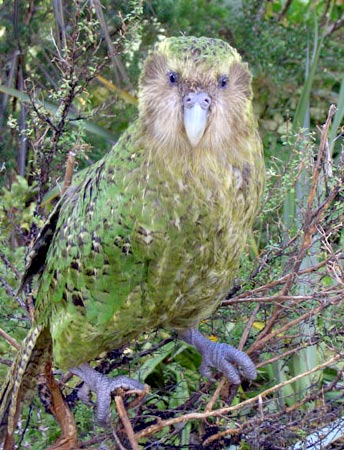
New Zealand's kākāpō, one of the strangest and most imperiled birds on Earth, has just delivered its best breeding season on record. Conservation teams working across the species' predator-free island sanctuaries confirmed 95 chicks hatched this season, smashing the previous high of 73 fledglings set in 2019. For a bird that numbers only in the low hundreds worldwide, this is not just good news — it is a genuine milestone in one of the longest-running rescue efforts in conservation history.
The Kākāpō (Critically Endangered) is a flightless, nocturnal parrot found nowhere else in the world, and it breeds on a schedule dictated almost entirely by nature rather than any human calendar. According to Mongabay's original report, this year's surge was driven by a bumper crop of rimu fruit, the primary trigger that brings female kākāpō into breeding condition. Because rimu trees only mast — produce heavy fruit crops — every few years, kākāpō reproduction is naturally erratic, sometimes with a full breeding season occurring only once every two to four years.
A Breeding Season Decades in the Making
The scale of this year's hatchling count reflects both a rare ecological windfall and decades of painstaking human intervention. New Zealand's Kākāpō Recovery Programme has spent more than 30 years moving every known bird to predator-free islands, hand-rearing chicks when needed, supplementary feeding females before and during breeding, and using tools like artificial insemination to widen the shrinking gene pool.

The species carries an IUCN Red List status of Critically Endangered, the last category before extinction in the wild, underscoring just how fragile its recovery remains. Even with a record 95 hatchlings this season, kākāpō still depend entirely on intensive, hands-on management. There is no truly wild, self-sustaining population left; every bird on the planet is tracked, and most wear transmitters that alert rangers to nesting activity, health issues, or mortality events in near real time.
Why Rimu Fruit Matters So Much
Rimu is a native New Zealand conifer, and its fruiting cycle functions almost like a switch for kākāpō fertility. In lean years, with little rimu fruit on the ground, female kākāpō may skip breeding entirely, conserving energy rather than investing in eggs that would be unlikely to produce fit offspring. When a mast year occurs, as it did this season, breeding activity across the sanctuary islands can spike dramatically, giving rangers a short, intense window to protect nests, monitor chick health, and intervene where needed.
That biological dependency is also why the species remains so vulnerable. A run of poor fruiting years can mean a near-total breeding gap, and any given season's success is largely outside human control, no matter how well-resourced the recovery effort is.
What This Record Season Means
A record hatch of 95 chicks does more than lift the raw population count. It broadens the genetic base of a species that passed through a bottleneck of roughly 50 birds in the 1990s, and it gives conservation geneticists a rare chance to pair unrelated or under-represented lineages. More surviving juveniles also means more future breeding females, which matters enormously for a bird that reproduces this rarely.
Still, hatching is only the first hurdle. Kākāpō chicks face real risks even within managed sanctuaries, including:
- Predation risk, since a single stoat, rat, or cat incursion onto an island sanctuary can undo years of progress by killing multiple birds at once
- Low natural fertility rates, with a portion of eggs each season found to be infertile despite mating activity
- Disease outbreaks, such as the respiratory illness aspergillosis, which has previously killed multiple birds in a single season
- Genetic constraints from historic inbreeding, which can affect chick viability and long-term fitness

The Species' Long Road Back
Kākāpō once ranged across much of mainland New Zealand before European settlement introduced stoats, cats, rats, and other mammalian predators that the flightless, ground-nesting parrot had no evolutionary defenses against. Habitat clearing for farming and settlement further squeezed the species out of its range. By the late twentieth century, the wild population had crashed to a mere handful of individuals, and the bird was widely feared close to extinction.
The response, coordinated by New Zealand's Department of Conservation alongside Māori iwi partners including Ngāi Tahu, became a model for intensive single-species recovery work. Every kākāpō alive today descends from that small surviving founder population, relocated over time to islands such as Whenua Hou/Codfish Island and Anchor Island, where predators have been eradicated or excluded.
This record season builds directly on that foundation, and it arrives as encouraging proof that decades of unglamorous, detail-heavy fieldwork — nest cameras, hand-feeding, transmitter changes, and fertility checks — can still deliver breakthrough results when nature cooperates.
Outlook
Conservation staff will now spend months processing this year's cohort: DNA testing chicks, assigning them to island sites based on genetic diversity needs, and monitoring survival through their vulnerable first year. Population growth for kākāpō is always incremental rather than explosive, but a season like this one meaningfully shifts the trajectory for a species that has spent decades teetering on the edge.
Methodology note: Data referenced here draws on SpeciesRadar's species records, sourced from the IUCN Red List, alongside reporting from Mongabay's original coverage of the 2026 breeding season.
Frequently Asked Questions
How many kākāpō are there in total now?
Exact current population figures are compiled by New Zealand's Kākāpō Recovery Programme as chicks are confirmed and tested; this season's 95 hatchlings represent a substantial boost to a population that has historically numbered only in the low hundreds.
Why do kākāpō breed so infrequently?
Female kākāpō generally only breed when rimu or other native trees produce a heavy fruit crop, which happens irregularly, often every two to four years, making consistent population growth difficult.
What is the biggest threat to kākāpō today?
Introduced predators such as stoats, rats, and cats remain the primary threat, which is why the entire population now lives on predator-free island sanctuaries under close monitoring.
Where can I learn more about the kākāpō's conservation status?
You can explore the species' full profile, including its Critically Endangered status, on the Kākāpō species page, and read the original report via Mongabay.
Get weekly conservation intelligence
One short digest a week of the most striking species and country data we ship, plus breaking conservation news paired with our database where it matters.
Free, no spam. One-click unsubscribe in every email.