Kākāpō Population Hits 325 After Record NZ Breeding Season
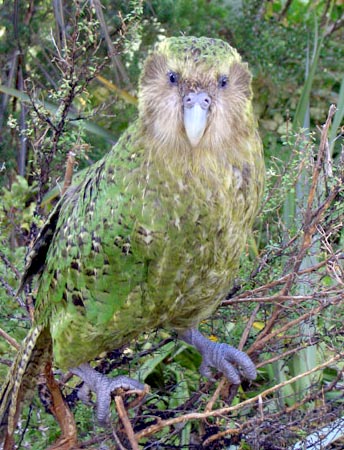
New Zealand's kākāpō conservationists have confirmed a milestone that once seemed almost unreachable: the world's population of this flightless, nocturnal parrot has climbed to 325 birds. The jump follows a record breeding season in which 90 chicks hatched and have now officially fledged, joining the closely tracked national count for a species that remains classified as Critically Endangered on the IUCN Red List.
For a bird that nearly vanished in the twentieth century, the number 325 carries outsized weight. Every kākāpō alive today is known by name, monitored by radio transmitter, and managed as part of an intensive national recovery effort. Details of the surge were first reported by RNZ, which described 2026 as a standout breeding year for the species.
Why This Breeding Season Was Different
Kākāpō reproduction is notoriously unpredictable. Females typically nest only once every two to four years, and only when native rimu trees produce a mast crop of fruit heavy enough to fuel egg-laying and chick-rearing. This boom-and-bust rhythm has long frustrated recovery planners, because a single poor fruiting season can mean years without a single new chick anywhere in the population.
The 2026 season broke that pattern in dramatic fashion. Conservation teams recorded a record number of nesting attempts, and the resulting 90 fledglings represent one of the largest single-year additions in the history of the recovery programme. Because kākāpō breeding is so tightly linked to food availability, a season of this scale required favorable rimu masting conditions across the predator-free islands where the birds now live.

What This Means for the Species
A population of 325 is still small by almost any conservation standard, but the trajectory matters as much as the raw figure. Every bird added through natural breeding, rather than translocation or captive rearing alone, strengthens genetic diversity and reduces the fragility that comes with such a narrow population bottleneck. The species' full profile is tracked here, reflecting how closely each bird's lineage, health and breeding history is documented.
The kākāpō's slow-motion recovery is itself remarkable given how close the species came to disappearing. By the 1990s, fewer than 50 birds remained after centuries of pressure from introduced predators and habitat loss. The current total represents more than a sixfold increase from that low point, achieved without the species leaving Critically Endangered status — a reminder that even strong upward trends can take decades to translate into a lower threat category.
The Threats That Haven't Gone Away
Despite the encouraging numbers, kākāpō remain dependent on intensive, ongoing intervention. The threats that pushed them to the brink are largely unchanged in the wider landscape, even if they've been pushed back on the predator-free islands where the birds now live:
- Introduced stoats, cats, and rats prey heavily on eggs, chicks, and even adult kākāpō, which cannot fly from danger.
- Habitat loss from historical deforestation has shrunk the range of native forest the species once relied on across mainland New Zealand.
- An unusually slow reproductive cycle, tied to irregular rimu fruiting, limits how often the population can grow, regardless of how much habitat is available.
- Genetic bottlenecking from the population's historic low point continues to raise concerns about fertility and chick survival in some lineages.
Because kākāpō cannot fly and nest on the ground, they are almost defenseless against mammalian predators that were absent from New Zealand for millions of years before human arrival. That vulnerability is why every surviving bird now lives on carefully managed, predator-free islands rather than the mainland forests the species once occupied.
A Wider Pattern of Hope in Island Conservation
The kākāpō's rebound sits alongside other closely managed island recovery stories worldwide, where intensive, hands-on conservation has pulled small populations back from the edge. What sets the kākāpō programme apart is its granularity — nearly every individual bird's breeding history, health records, and genetic data are tracked, allowing managers to make precise decisions about nest protection, supplementary feeding, and translocation between islands.
That level of monitoring is part of why the 2026 season's 90 fledglings could be confirmed with such confidence. Chicks are weighed, checked, and in many cases assisted through incubation and early rearing by conservation staff before being released to fend for themselves on predator-free reserves.
Outlook
Population growth of this scale doesn't guarantee kākāpō will be reclassified soon, but it does buy the species something invaluable: time, and a larger buffer against the kind of catastrophic single-season losses that have set back recovery efforts in the past. Conservation groups will now be watching whether rimu masting patterns allow for another strong breeding year in the coming seasons, or whether the population settles into a slower growth phase until conditions align again.
For a bird once reduced to a few dozen individuals scattered across a handful of islands, reaching 325 is a marker worth celebrating — while still a fraction of what would be needed for long-term genetic security and eventual reclassification off the Critically Endangered list.
Frequently Asked Questions
How many kākāpō are there now?
The population stands at 325 birds following the 2026 breeding season, during which 90 chicks fledged and joined the officially tracked count.
Why do kākāpō breed so infrequently?
Females generally only nest every two to four years, timed to when native rimu trees produce large fruit crops that provide the energy needed for egg-laying and raising chicks.
Is the kākāpō still endangered?
Yes. The species remains classified as Critically Endangered on the IUCN Red List despite the recent population growth, reflecting its small overall numbers and continued reliance on intensive conservation management.
What is the biggest threat to kākāpō today?
Introduced predators such as stoats, cats, and rats remain the primary threat, which is why the entire population now lives on predator-free islands rather than the New Zealand mainland.
Get weekly conservation intelligence
One short digest a week of the most striking species and country data we ship, plus breaking conservation news paired with our database where it matters.
Free, no spam. One-click unsubscribe in every email.