
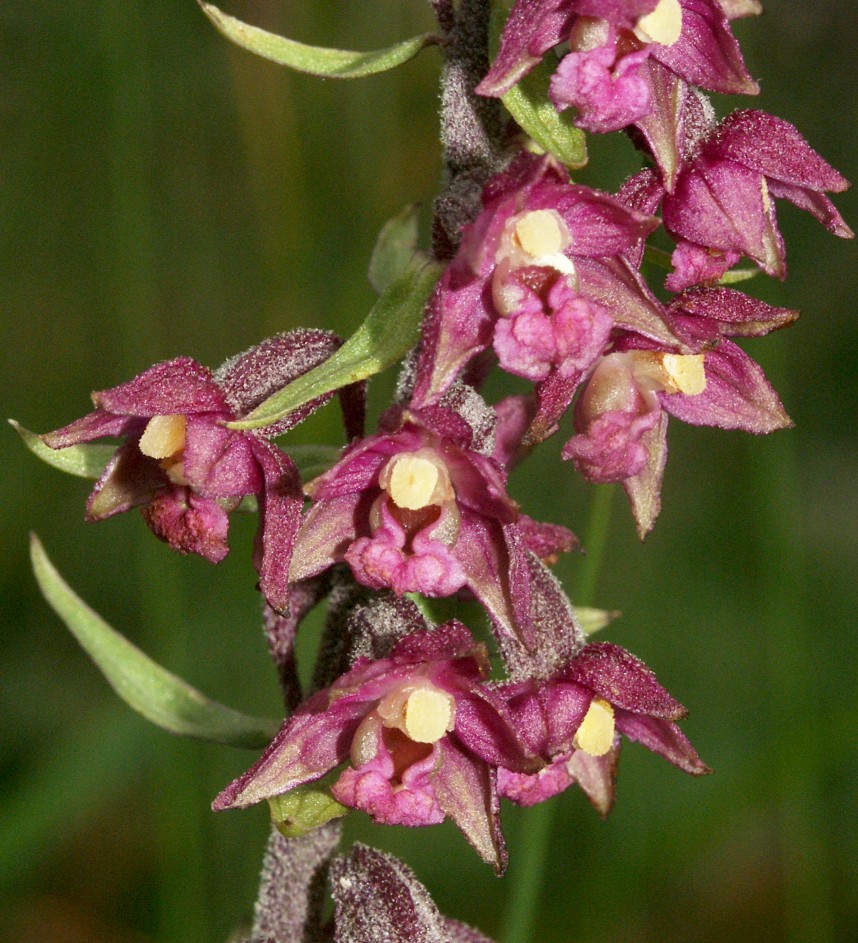
White Helleborine
Cephalanthera damasonium
Photo: Wikimedia Commons (CC) via https://en.wikipedia.org/wiki/Cephalanthera_damasonium
Overview
A detailed profile for this species is sourced from the IUCN Red List of Threatened Species as assessments become available.
White Helleborine faces severe decline across its European range due to intensive forestry practices that alter the delicate light conditions and mycorrhizal networks essential for its survival. Agricultural intensification and urban development have fragmented its woodland habitats, while climate change threatens the specific temperature and moisture regimes this orchid requires. The species' extremely slow reproductive cycle and dependence on specific fungal partnerships make recovery particularly challenging once populations are disturbed.
Habitat
White Helleborine inhabits mature deciduous and mixed woodlands, particularly beech and oak forests with well-developed understory layers. The species requires specific light conditions created by partial canopy cover and depends on complex mycorrhizal relationships with soil fungi for nutrition.
Other threatened species in Orchidaceae
Frequently asked questions
Why is White Helleborine classified as Vulnerable?
Where does White Helleborine live?
What are the main threats to White Helleborine?
Get weekly conservation intelligence
One short digest a week of the most striking species and country data we ship, plus breaking conservation news paired with our database where it matters.
Free, no spam. One-click unsubscribe in every email.