CR

Betta chloropharynx

Unknown

Overview

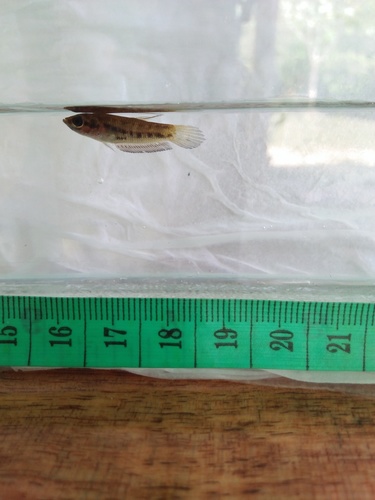
Betta chloropharynx is a critically endangered freshwater fish endemic to the peat swamp forests of Southeast Asia, specifically documented from limited localities in Malaysia and possibly southern Thailand. This small labyrinth fish, measuring approximately 4-5 centimeters in length, displays the characteristic elongated body shape typical of wild Betta species, with males exhibiting more vibrant coloration during breeding periods. The species possesses the distinctive labyrinth organ that allows it to breathe atmospheric oxygen, an adaptation crucial for survival in the oxygen-poor waters of its native peat swamp habitat.

These fish inhabit shallow, acidic waters with pH levels typically ranging from 4.0 to 6.0, surrounded by dense vegetation and fallen logs that provide essential cover and breeding sites. The species demonstrates typical Betta territorial behavior, with males establishing small territories and constructing bubble nests for reproduction. Currently classified as Critically Endangered by the IUCN, Betta chloropharynx faces severe population pressures from habitat destruction and collection for the aquarium trade.

The species' extremely limited range makes it particularly vulnerable to environmental changes, with some populations potentially already extirpated from historical locations. However, recent conservation efforts have included habitat protection initiatives in key peat swamp areas, and specialized breeding programs by dedicated aquarists have maintained captive populations that could support future reintroduction efforts. The species' striking appearance and unique ecological requirements have also generated increased scientific interest, leading to improved understanding of peat swamp ecosystem conservation needs.

Betta chloropharynx faces immediate extinction risk primarily from the rapid destruction of Southeast Asian peat swamp forests for palm oil plantations and urban development, which has eliminated an estimated 60-80% of suitable habitat within the species' limited range over the past two decades. Additional pressure comes from overcollection for the international aquarium trade, where wild-caught specimens command high prices among Betta enthusiasts, further depleting already fragmented populations. Water pollution from agricultural runoff and industrial activities has degraded remaining habitat quality, altering the delicate pH balance and water chemistry essential for the species' survival.

Threat summary

Habitat

This species inhabits shallow, heavily vegetated peat swamp forests characterized by extremely soft, acidic water with pH levels between 4.0-6.0 and minimal mineral content. The fish typically occupies areas with dense aquatic vegetation, submerged logs, and leaf litter that create a complex three-dimensional habitat structure essential for territorial establishment and breeding activities.

Wetlands (inland) - Permanent rivers/streams· major

Conservation measures underway

Resource & habitat protectionSpecies managementSpecies recoveryAwareness & communications