
Forsten's Tortoise
Indotestudo forstenii
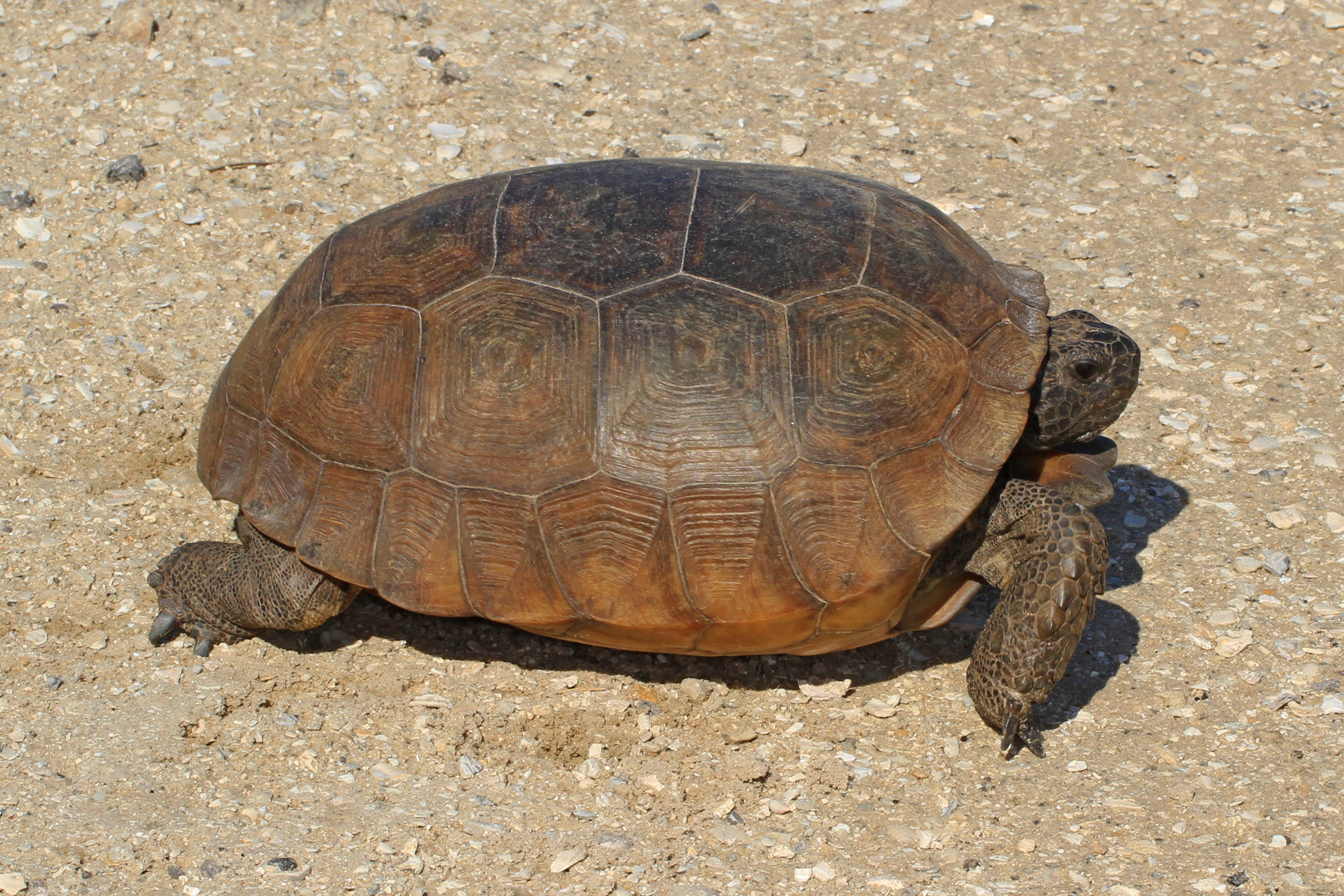
Photo: Photo: Wikimedia Commons, CC BY-SA
Overview
A detailed profile for this species is sourced from the IUCN Red List of Threatened Species as assessments become available.
Indotestudo forstenii faces severe population decline primarily due to intensive collection for the international pet trade and traditional medicine markets. Habitat destruction from agricultural expansion and logging in Sulawesi's lowland forests has fragmented remaining populations. The species' slow reproductive rate and limited geographic range make recovery extremely difficult once populations are depleted.
Habitat
This species inhabits lowland tropical rainforests and forest edges in Sulawesi, Indonesia, typically found in areas with dense vegetation and access to water sources. It prefers primary and secondary forests at elevations below 600 meters.
Conservation measures underway
Other threatened species in TESTUDINIDAE


Threatened in Indonesia

Frequently asked questions
Why is Forsten's Tortoise classified as Critically Endangered?
Where does Forsten's Tortoise live?
What are the main threats to Forsten's Tortoise?
Get weekly conservation intelligence
One short digest a week of the most striking species and country data we ship, plus breaking conservation news paired with our database where it matters.
Free, no spam. One-click unsubscribe in every email.