Taylor's Salamander
Ambystoma taylori
Overview
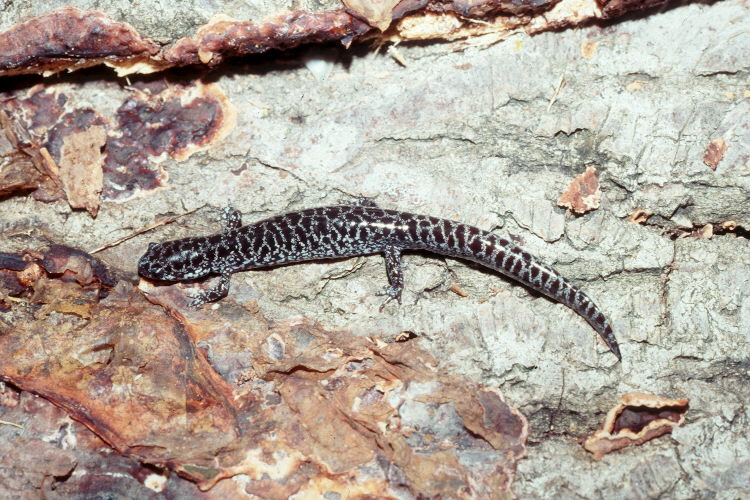
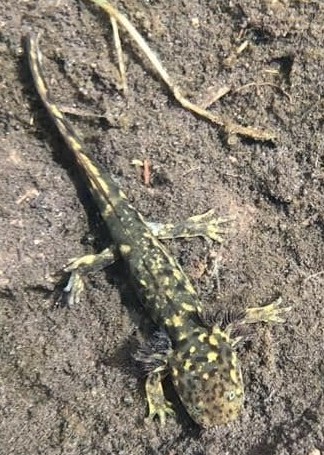
Taylor's salamander is a species of salamander found only in Laguna Alchichica, a high-altitude crater lake to the southwest of Perote, Mexico. It was first described in 1982 but had been known to science prior to that. It is a neotenic salamander, breeding while still in the larval state and not undergoing metamorphosis.
The lake in which it lives is becoming increasingly saline and less suitable for the salamander, which is declining in numbers. The International Union for Conservation of Nature (IUCN) has rated it as being "critically endangered".
Ambystoma taylori faces severe threats from urban expansion and agricultural development around Mexico City, which has dramatically reduced its highland habitat. Water pollution from agricultural runoff and urban waste has degraded the quality of breeding ponds essential for reproduction. The species' extremely limited range makes it particularly vulnerable to local environmental changes and habitat fragmentation.
Habitat
This salamander is endemic to high-altitude pine-oak forests and adjacent grasslands in the mountains surrounding Mexico City, typically found at elevations between 2,400-3,000 meters. It depends on temporary ponds and slow-moving streams in these montane environments for breeding.
Conservation measures underway
Other threatened species in AMBYSTOMATIDAE

Threatened in Mexico
Frequently asked questions
Why is Taylor's Salamander classified as Critically Endangered?
Where does Taylor's Salamander live?
What are the main threats to Taylor's Salamander?
Get weekly conservation intelligence
One short digest a week of the most striking species and country data we ship, plus breaking conservation news paired with our database where it matters.
Free, no spam. One-click unsubscribe in every email.