Tayloria altorum
Overview
A detailed profile for this species is sourced from the IUCN Red List of Threatened Species as assessments become available.
Tayloria altorum faces severe threats from habitat degradation in its restricted high-altitude range. Climate change poses a particularly acute risk as warming temperatures force this cold-adapted moss species toward increasingly limited summit areas with no higher refugia available. The species' extremely narrow distribution makes it vulnerable to any localized disturbances or environmental changes.
Habitat
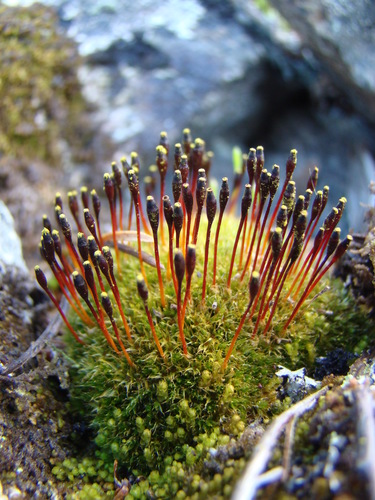
This moss species is restricted to high-altitude alpine environments, typically growing on rocky substrates and thin soils in montane regions. It requires the specific microclimate conditions found at elevation, including cool temperatures and high humidity levels.
Other threatened species in Splachnaceae
Frequently asked questions
Why is Tayloria altorum classified as Critically Endangered?
Where does Tayloria altorum live?
What are the main threats to Tayloria altorum?
Get weekly conservation intelligence
One short digest a week of the most striking species and country data we ship, plus breaking conservation news paired with our database where it matters.
Free, no spam. One-click unsubscribe in every email.