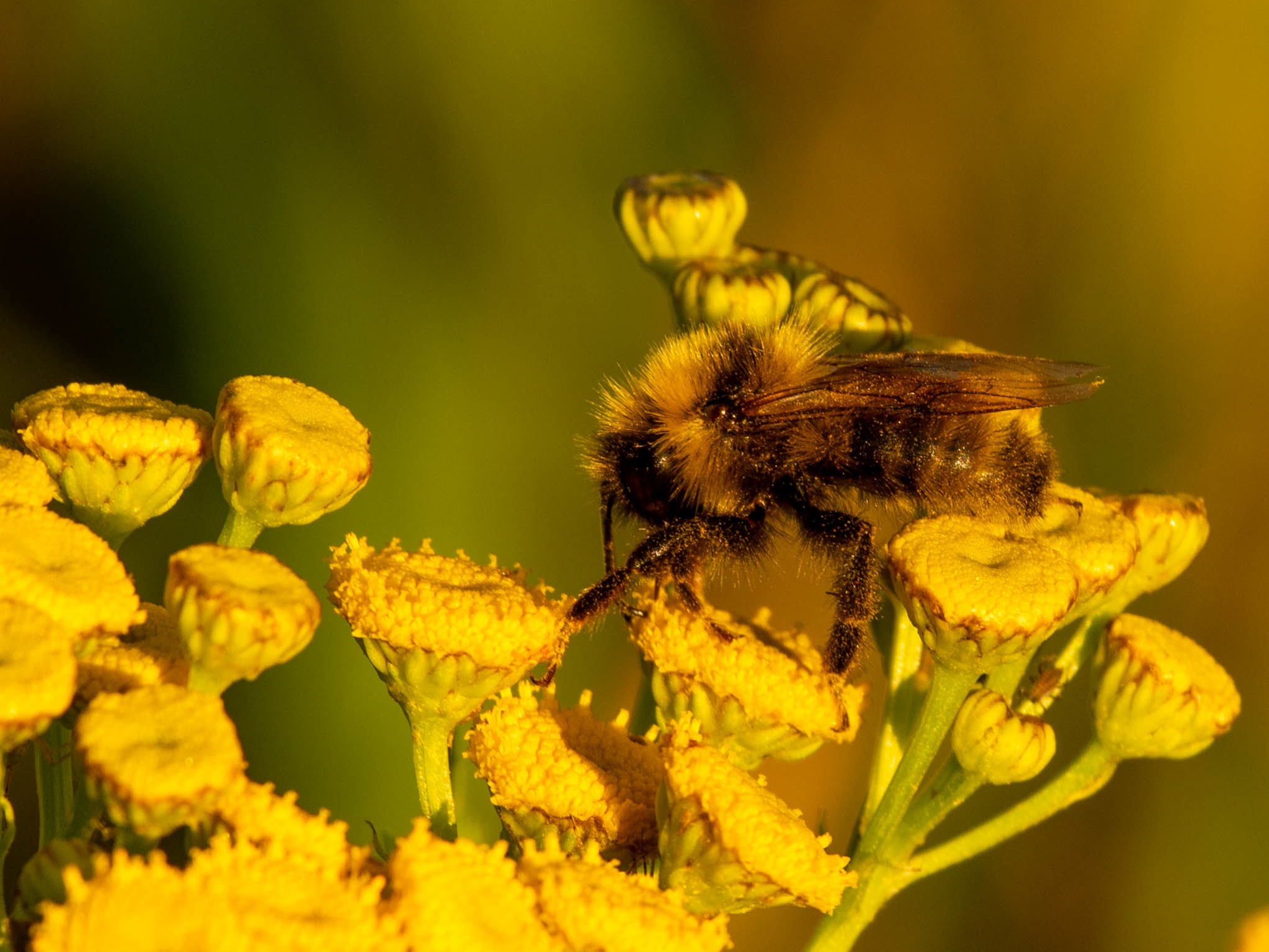
Suckley Cuckoo Bumble Bee
Bombus suckleyi
Photo: Wikimedia Commons (CC) via https://en.wikipedia.org/wiki/Bombus_suckleyi
Overview
Bombus suckleyi is a species of bumblebee known commonly as Suckley's cuckoo bumblebee, named after biologist George Suckley. Suckley's bumble bee is a generalist pollinator and represents a rare group of obligate, parasitic bumble bees. Suckley's bumble bee is a social-parasite because it invades the nests of the host bumble bees, including the western bumble bee, and relies on host species workers to provision its larvae.
It is native to northwestern North America, including Alaska and parts of western and central Canada and the western United States.
Bombus suckleyi faces severe population declines primarily due to habitat loss from agricultural intensification and urban development across its limited range in western North America. The species is particularly vulnerable to pesticide exposure, especially neonicotinoids used in agricultural areas that overlap with its foraging habitat. Climate change poses an additional threat by altering the timing of flower blooms that the species depends on for nectar, creating potential mismatches between bee emergence and food availability.
Habitat
Bombus suckleyi inhabits open grasslands, meadows, and prairie edges in western North America, particularly favoring areas with abundant wildflowers including lupines, clovers, and native composites. The species requires both foraging habitat with diverse flowering plants and suitable nesting sites in underground cavities or abandoned rodent burrows.
Conservation measures underway
Other threatened species in APIDAE
Threatened in Canada
Frequently asked questions
Why is Suckley Cuckoo Bumble Bee classified as Critically Endangered?
Where does Suckley Cuckoo Bumble Bee live?
What are the main threats to Suckley Cuckoo Bumble Bee?
Get weekly conservation intelligence
One short digest a week of the most striking species and country data we ship, plus breaking conservation news paired with our database where it matters.
Free, no spam. One-click unsubscribe in every email.