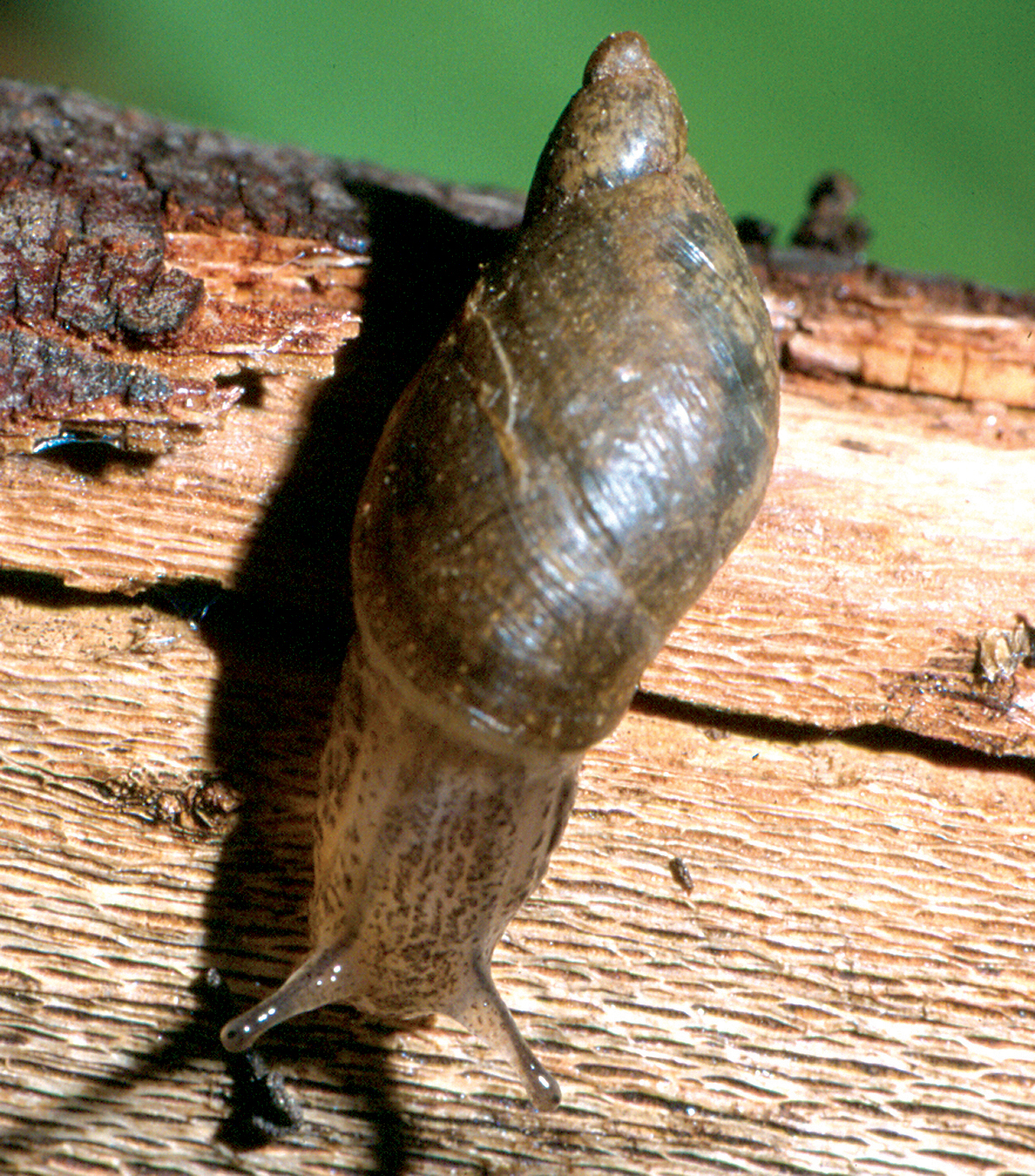
Succinea quadrasi
Overview
A detailed profile for this species is sourced from the IUCN Red List of Threatened Species as assessments become available.
Succinea quadrasi faces severe habitat degradation from urban expansion and agricultural conversion across its limited Philippine range. The species' dependence on specific moisture conditions in lowland areas makes it particularly vulnerable to drainage and land use changes. Coastal development and infrastructure projects have eliminated many historical populations, while remaining fragments face ongoing pressure from human encroachment.
Habitat
This endemic Philippine land snail inhabits moist lowland areas, typically found in humid microhabitats near streams, marshes, and coastal wetlands. The species requires consistent moisture levels and is associated with native vegetation in areas below 200 meters elevation.
Other threatened species in SUCCINEIDAE
Frequently asked questions
Why is Succinea quadrasi classified as Endangered?
Where does Succinea quadrasi live?
What are the main threats to Succinea quadrasi?
Get weekly conservation intelligence
One short digest a week of the most striking species and country data we ship, plus breaking conservation news paired with our database where it matters.
Free, no spam. One-click unsubscribe in every email.