
Sri Lankan Cruiser
Macromia zeylanica
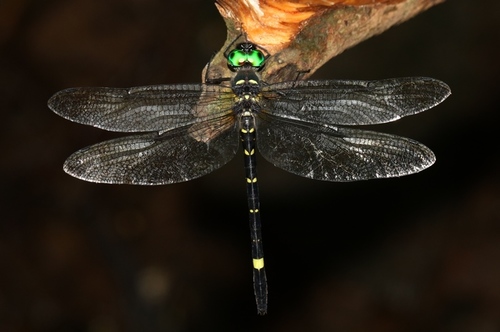
Photo: (c) Amila P Sumanapala, some rights reserved (CC BY-NC), uploaded by Amila P Sumanapala
Overview
Macromia zeylanica is a critically endangered dragonfly species endemic to Sri Lanka. This large dragonfly belongs to the family Macromiidae and is characterized by its distinctive metallic green thorax and yellow markings. The species inhabits forested streams and rivers in the island's wet zone, particularly in areas with dense canopy cover and clean, flowing water.
Macromia zeylanica has experienced severe population declines due to extensive habitat destruction throughout its limited range. The primary threats include deforestation, agricultural expansion, and urban development that have fragmented and degraded the pristine forest streams essential for its survival. Water pollution from agricultural runoff and domestic waste has further compromised the quality of breeding habitats.
Climate change poses additional challenges by altering precipitation patterns and stream flow regimes. The species' restricted distribution makes it particularly vulnerable to local extinctions. Conservation efforts for Macromia zeylanica are limited but include habitat protection within existing forest reserves and national parks.
Research initiatives focus on population monitoring and habitat assessment to better understand the species' ecological requirements. Restoration of degraded stream corridors and implementation of buffer zones around critical habitats are considered essential conservation strategies. The species serves as an important indicator of ecosystem health in Sri Lankan freshwater environments, and its conservation is crucial for maintaining the biodiversity of the island's endemic fauna.
Macromia zeylanica faces severe threats from deforestation and habitat fragmentation that have destroyed much of its forested stream habitat. Water pollution from agricultural and domestic sources has degraded the quality of remaining breeding sites. Climate change further threatens the species by altering the flow patterns of streams essential for its survival.
Habitat
This species inhabits clean, flowing streams and rivers within dense tropical forests of Sri Lanka's wet zone. It requires well-shaded waterways with good water quality and intact riparian vegetation for breeding and foraging.
Conservation measures underway
Other threatened species in MACROMIIDAE
Threatened in Sri Lanka

Frequently asked questions
Why is Sri Lankan Cruiser classified as Critically Endangered?
Where does Sri Lankan Cruiser live?
What are the main threats to Sri Lankan Cruiser?
Get weekly conservation intelligence
One short digest a week of the most striking species and country data we ship, plus breaking conservation news paired with our database where it matters.
Free, no spam. One-click unsubscribe in every email.