
African Wedgefish
Rhynchobatus luebberti
Photo: Photo: Wikimedia Commons, CC BY-SA
Overview
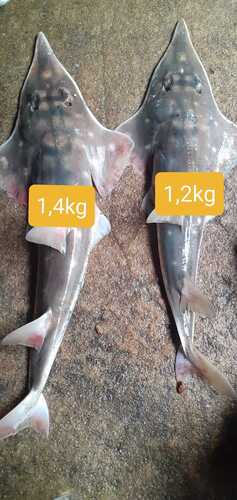
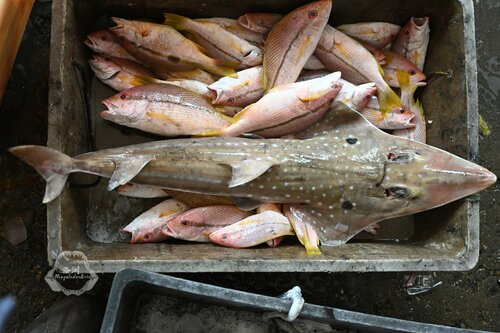
Rhynchobatus luebberti, commonly known as the African wedgefish or Luebbertii guitarfish, is a large cartilaginous fish belonging to the family Rhinidae. This species is characterized by its distinctive flattened body shape that transitions from ray-like at the front to shark-like at the rear, with an elongated snout and prominent dorsal fins. The African wedgefish inhabits coastal waters along the western Indian Ocean, primarily found in the waters off East Africa, including Kenya, Tanzania, and Mozambique.
These bottom-dwelling fish typically occupy sandy and muddy substrates in shallow coastal areas, estuaries, and continental shelf waters. The species faces severe population declines due to intensive fishing pressure throughout its range. As a large-bodied elasmobranch with slow growth rates and late maturity, R.
luebberti is particularly vulnerable to overexploitation. The species is frequently caught as bycatch in commercial fisheries targeting other species, and is also subject to directed fishing for its valuable fins, which are highly prized in international markets. Habitat degradation from coastal development and pollution further compounds the threats to remaining populations.
Conservation efforts for this critically endangered species remain limited, with inadequate fisheries management and enforcement in much of its range. The species would benefit from implementation of fishing restrictions, bycatch reduction measures, and improved monitoring of population status to prevent further decline toward extinction.
Rhynchobatus luebberti faces severe threats from intensive fishing pressure, including both targeted fishing for its valuable fins and frequent capture as bycatch in commercial fisheries. The species' slow growth rate and late maturity make it particularly vulnerable to overexploitation, while coastal habitat degradation from development and pollution further threatens remaining populations.
Habitat
The African wedgefish inhabits coastal waters of the western Indian Ocean, particularly along East Africa. It occupies sandy and muddy bottom substrates in shallow coastal areas, estuaries, and continental shelf waters.
Conservation measures underway
Other threatened species in RHINIDAE
Threatened in Angola



Frequently asked questions
Why is African Wedgefish classified as Critically Endangered?
Where does African Wedgefish live?
What are the main threats to African Wedgefish?
Get weekly conservation intelligence
One short digest a week of the most striking species and country data we ship, plus breaking conservation news paired with our database where it matters.
Free, no spam. One-click unsubscribe in every email.