Sharp Rock-bristle
Seligeria acutifolia
Overview
A detailed profile for this species is sourced from the IUCN Red List of Threatened Species as assessments become available.
Sharp Rock-bristle faces significant threats from habitat degradation due to air pollution and acid rain, which alter the chemical composition of its rocky substrates. Climate change poses additional risks through altered precipitation patterns and temperature fluctuations that affect the delicate moisture balance required for this moss species. Recreational activities and quarrying operations in its limited range further fragment and destroy suitable habitat.
Habitat
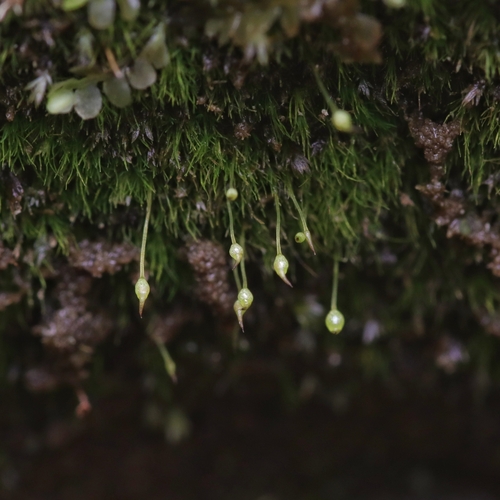
Sharp Rock-bristle grows exclusively on calcareous rocks and limestone outcrops, typically in shaded crevices and overhangs where moisture levels remain relatively stable. This specialized moss requires specific pH conditions and is found primarily on vertical or near-vertical rock faces in mountainous regions.
Other threatened species in Seligeriaceae
Frequently asked questions
Why is Sharp Rock-bristle classified as Vulnerable?
Where does Sharp Rock-bristle live?
What are the main threats to Sharp Rock-bristle?
Get weekly conservation intelligence
One short digest a week of the most striking species and country data we ship, plus breaking conservation news paired with our database where it matters.
Free, no spam. One-click unsubscribe in every email.