Scleria guineensis
Overview
A detailed profile for this species is sourced from the IUCN Red List of Threatened Species as assessments become available.
Scleria guineensis faces severe population decline primarily due to agricultural expansion and urban development across its West African range. Conversion of wetland habitats for rice cultivation and infrastructure development has eliminated critical breeding and feeding areas. Climate change-induced alterations to rainfall patterns threaten the seasonal flooding cycles essential for this sedge's reproductive success.
Habitat
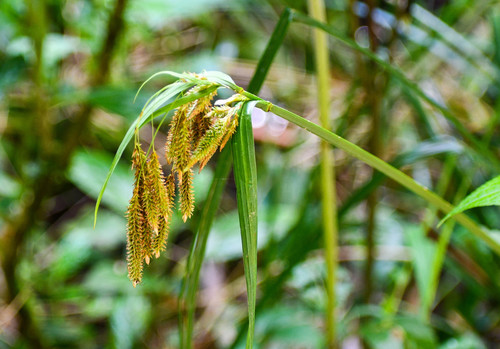
This sedge species inhabits seasonal wetlands, marshy grasslands, and the margins of temporary pools in West African savannas. It requires areas with fluctuating water levels and thrives in nutrient-rich soils that experience periodic flooding during the rainy season.
Conservation measures underway
Other threatened species in CYPERACEAE
Frequently asked questions
Why is Scleria guineensis classified as Critically Endangered?
Where does Scleria guineensis live?
What are the main threats to Scleria guineensis?
Get weekly conservation intelligence
One short digest a week of the most striking species and country data we ship, plus breaking conservation news paired with our database where it matters.
Free, no spam. One-click unsubscribe in every email.