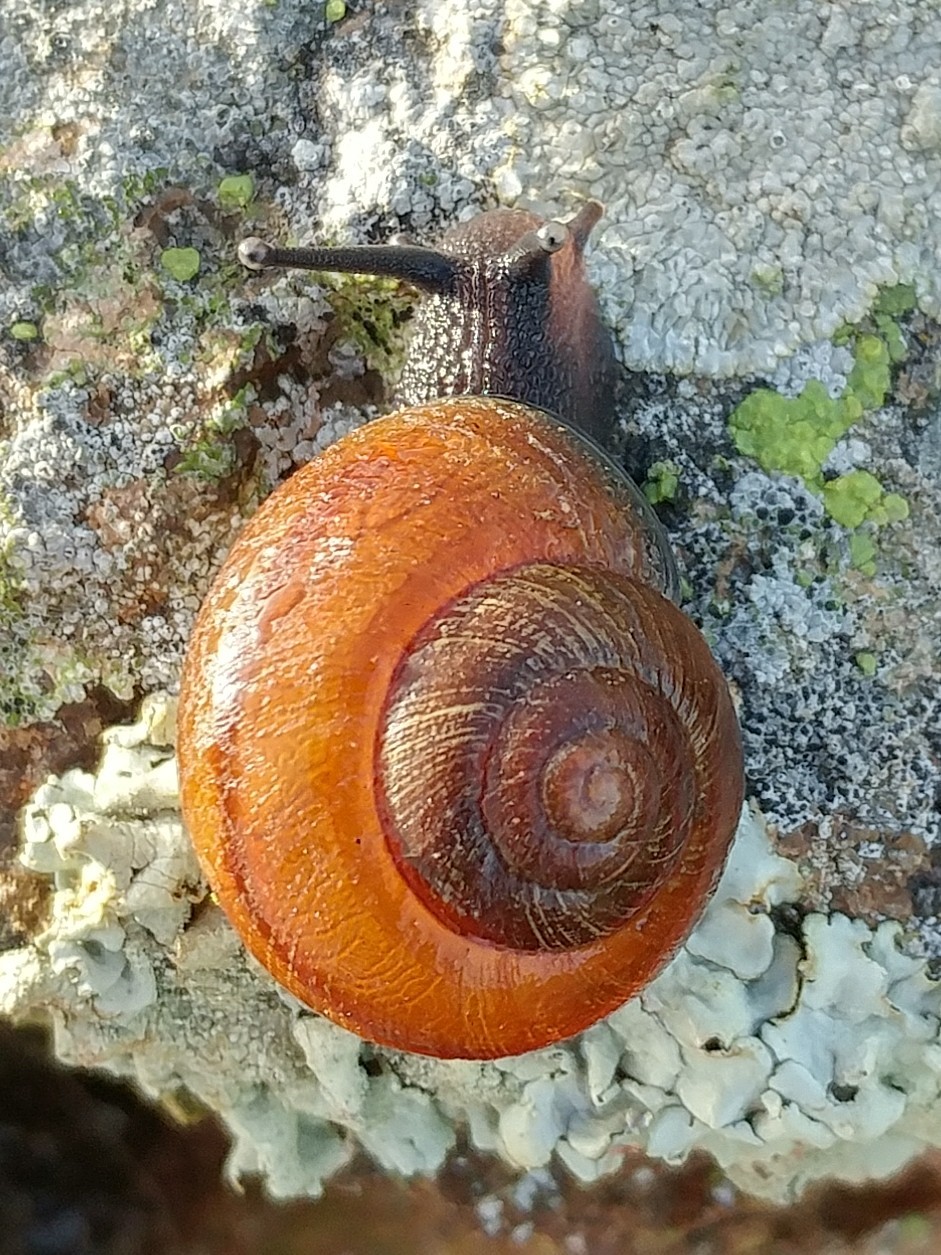
Micrarionta gabbii
Overview
A detailed profile for this species is sourced from the IUCN Red List of Threatened Species as assessments become available.
Micrarionta gabbii faces severe habitat degradation from urban development and agricultural expansion across its limited Southern California range. The species is particularly vulnerable to drought conditions and altered fire regimes that destroy the shrubland vegetation it depends upon. Invasive plant species further degrade habitat quality by outcompeting native flora that provides essential food sources and shelter.
Habitat
This terrestrial gastropod inhabits coastal sage scrub and chaparral communities in Southern California, typically found among native shrubs and herbaceous vegetation. The species requires areas with adequate moisture retention and native plant cover that provides both food sources and protection from desiccation.
Other threatened species in HELMINTHOGLYPTIDAE
Threatened in Canada
Frequently asked questions
Why is Micrarionta gabbii classified as Vulnerable?
Where does Micrarionta gabbii live?
What are the main threats to Micrarionta gabbii?
Get weekly conservation intelligence
One short digest a week of the most striking species and country data we ship, plus breaking conservation news paired with our database where it matters.
Free, no spam. One-click unsubscribe in every email.