Razorback Sucker
Xyrauchen texanus
Overview
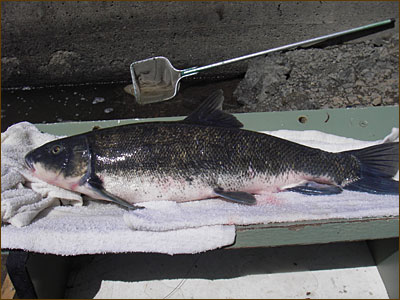
The razorback sucker is a suckerfish found in rivers and lakes in the southwestern United States and formerly northwestern Mexico. It can grow to 91 cm (3 ft) in length and is recognisable by the keel between its head and dorsal fin. It used to inhabit much of the Colorado River Basin but commercial fishing, river damming, and habitat loss have caused great declines in populations.
It is now restricted to the Colorado River upstream of the Grand Canyon and to four reservoirs, Lake Mead, Lake Mohave, Lake Havasu, and Lake Powell.
The razorback sucker faces severe population decline due to dam construction that has fragmented its Colorado River habitat and altered natural flow regimes essential for spawning. Non-native fish species, particularly predatory game fish, prey heavily on juveniles and compete for resources. Water diversions for agriculture and urban development have reduced available habitat, while the species' specialized reproductive requirements make it extremely vulnerable to continued river modifications.
Habitat
The razorback sucker inhabits warm, turbid waters of the Colorado River system, including backwaters, eddies, and slow-moving river sections. It requires specific spawning habitats with gravel bars and seasonal flooding patterns that have been largely eliminated by dam construction.
Other threatened species in CATOSTOMIDAE


Threatened in Canada
Frequently asked questions
Why is Razorback Sucker classified as Critically Endangered?
Where does Razorback Sucker live?
What are the main threats to Razorback Sucker?
Get weekly conservation intelligence
One short digest a week of the most striking species and country data we ship, plus breaking conservation news paired with our database where it matters.
Free, no spam. One-click unsubscribe in every email.