Pyrgacris relictus
Overview
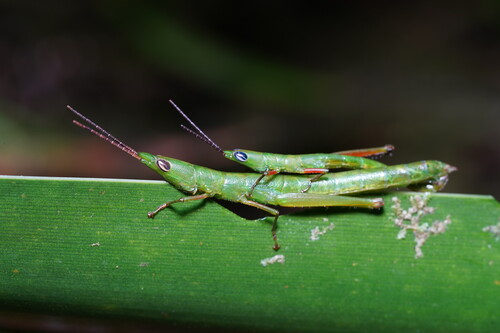
Pyrgacris relictus is a critically endangered grasshopper species with an extremely limited distribution range. This orthopteran insect represents a relict population that has persisted in isolated habitat fragments, making it particularly vulnerable to environmental changes. The species exhibits specialized habitat requirements and appears to have very specific ecological needs that restrict its ability to colonize new areas or adapt to habitat modifications.
Its current range is severely fragmented, with populations occurring in small, disconnected patches that limit genetic exchange and population resilience. The primary threats to P. relictus include habitat loss and degradation due to human activities, climate change impacts on its specialized microhabitats, and the inherent vulnerability associated with small population sizes.
Agricultural expansion, urban development, and changes in land management practices have contributed to the reduction of suitable habitat. The species' limited dispersal ability compounds these threats, as individuals cannot easily move between habitat patches when local conditions become unsuitable. Conservation efforts focus on habitat protection and management of remaining populations, though the species' critical status indicates that immediate and sustained intervention is necessary.
Research into the species' specific ecological requirements and population dynamics is ongoing to inform targeted conservation strategies. The preservation of P. relictus requires coordinated efforts to maintain habitat quality and connectivity while addressing the broader landscape-level threats that continue to impact this vulnerable grasshopper species.
Pyrgacris relictus faces severe threats from habitat loss and fragmentation caused by human development and agricultural activities. The species' extremely limited range and small population sizes make it highly vulnerable to environmental changes and local extinctions. Climate change poses additional risks by potentially altering the specific microhabitat conditions this specialized grasshopper requires for survival.
Habitat
Pyrgacris relictus occupies specialized terrestrial habitats with specific microenvironmental requirements that support its survival and reproduction. The species appears to be restricted to particular vegetation types or substrate conditions that have become increasingly rare and fragmented across its historical range.
Conservation measures underway
Other threatened species in PYRGACRIDIDAE
Threatened in Mauritius


Frequently asked questions
Why is Pyrgacris relictus classified as Critically Endangered?
Where does Pyrgacris relictus live?
What are the main threats to Pyrgacris relictus?
Get weekly conservation intelligence
One short digest a week of the most striking species and country data we ship, plus breaking conservation news paired with our database where it matters.
Free, no spam. One-click unsubscribe in every email.