Pseudosphegesthes bergeri
Overview
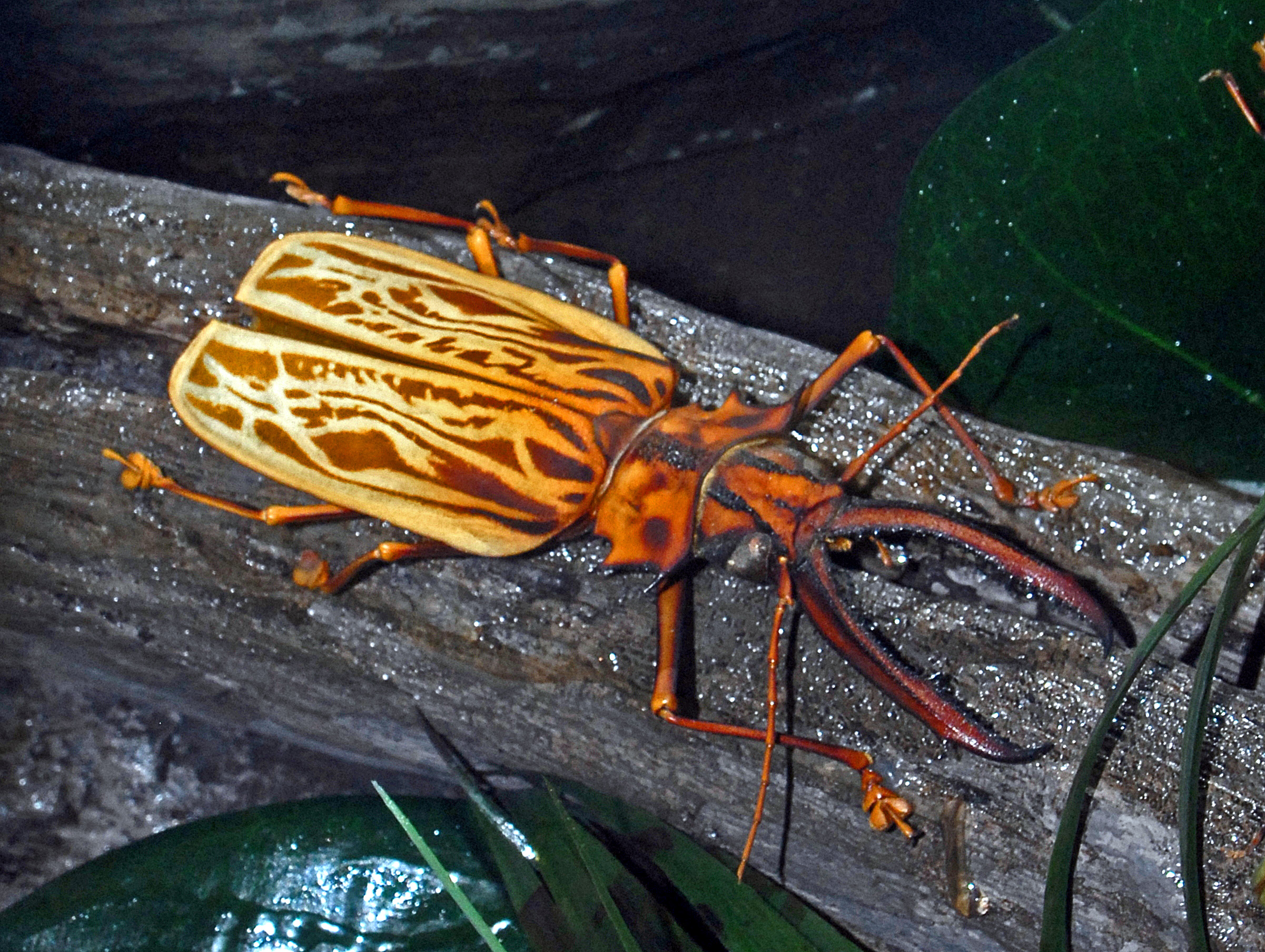
Pseudosphegesthes bergeri is a longhorn beetle (family Cerambycidae) known from a narrow range within tropical forest ecosystems, where it occupies a specialized niche tied closely to native woody vegetation. Like many members of this beetle family, it likely depends on specific host trees during its larval stage, with adults associated with forest understory and canopy margins. The species is currently classified as Critically Endangered (CR) by the IUCN, reflecting severe and ongoing pressures on its restricted habitat.
Its survival is closely linked to the integrity of the forest fragments it inhabits, making it particularly vulnerable to any further reduction in forest cover or quality. Deforestation driven by agricultural expansion and logging within its range represents the primary threat to remaining populations, compounded by the species' apparent narrow distribution, which limits its resilience to localized disturbance events. Population trends remain unknown, underscoring a broader challenge faced by many invertebrate species: a lack of dedicated field surveys and long-term monitoring programs necessary to establish reliable baseline data.
This data gap itself is a conservation concern, as it hampers the ability of researchers and land managers to track decline or recovery. On a more encouraging note, growing international attention to invertebrate conservation has led to increased efforts to document and protect saproxylic and forest-dependent beetles, and regional protected area networks may offer incidental habitat security where they overlap with the species' known range. Continued taxonomic and ecological research, alongside habitat protection initiatives targeting the forests it relies on, represents a meaningful opportunity to improve understanding of this species and safeguard its future before further decline occurs.
Pseudosphegesthes bergeri faces severe threats from habitat destruction due to agricultural expansion and urban development within its extremely limited range. The species' specialized ecological requirements make it particularly vulnerable to environmental changes, while its small population size increases extinction risk from stochastic events. Climate change poses an additional threat by altering the specific microhabitat conditions this species depends upon for survival.
Habitat
This species inhabits specialized microhabitats within Mediterranean scrubland and rocky outcrops, requiring specific soil conditions and vegetation associations. It is endemic to a very restricted geographic area with particular climatic and ecological requirements.
Conservation measures underway
Other threatened species in CERAMBYCIDAE
Frequently asked questions
Why is Pseudosphegesthes bergeri classified as Critically Endangered?
Where does Pseudosphegesthes bergeri live?
What are the main threats to Pseudosphegesthes bergeri?
Get weekly conservation intelligence
One short digest a week of the most striking species and country data we ship, plus breaking conservation news paired with our database where it matters.
Free, no spam. One-click unsubscribe in every email.