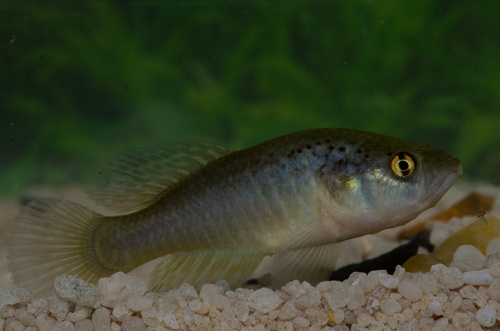
Cynolebias griseus
Photo: (c) silvanarsbbio, some rights reserved (CC BY-NC)
Overview
Cynolebias griseus is a small annual killifish endemic to temporary freshwater pools and wetlands in South America. This species belongs to the family Rivulidae and exhibits the characteristic annual life cycle typical of seasonal killifish, where adults complete their entire life cycle within a single wet season. The fish inhabits shallow, temporary water bodies that fill during rainy periods and dry completely during drought seasons.
Eggs are deposited in the substrate and remain dormant during dry periods, hatching when waters return. The species is currently classified as Critically Endangered due to severe habitat loss and degradation. Primary threats include urban development, agricultural expansion, pollution from agricultural runoff, and alterations to natural hydrological cycles that disrupt the seasonal flooding patterns essential for reproduction.
Climate change poses additional risks by potentially altering precipitation patterns and extending drought periods beyond the species' adaptive capacity. The temporary nature of their habitat makes these fish particularly vulnerable to environmental changes, as they require precise timing of wet and dry cycles for successful reproduction. Conservation efforts for this species remain limited, though some initiatives focus on habitat protection and restoration of natural wetland systems.
Research into captive breeding programs has been explored as a potential conservation strategy, though maintaining the complex environmental cues required for reproduction presents significant challenges. Protection of remaining habitat and restoration of degraded wetlands are considered essential for the species' survival.
Cynolebias griseus faces severe threats from habitat destruction due to urban development and agricultural expansion that eliminate the temporary pools essential for its survival. Agricultural pollution and altered water cycles from human activities disrupt the precise seasonal patterns this annual killifish requires for reproduction.
Habitat
This species inhabits temporary freshwater pools, ponds, and seasonal wetlands that fill during rainy periods and completely dry during drought seasons. These shallow water bodies are typically found in lowland areas with substrates suitable for egg deposition and dormancy.
Other threatened species in RIVULIDAE
Threatened in Brazil


Frequently asked questions
Why is Cynolebias griseus classified as Critically Endangered?
Where does Cynolebias griseus live?
What are the main threats to Cynolebias griseus?
Get weekly conservation intelligence
One short digest a week of the most striking species and country data we ship, plus breaking conservation news paired with our database where it matters.
Free, no spam. One-click unsubscribe in every email.