Pacifigeron rapensis
Overview
A detailed profile for this species is sourced from the IUCN Red List of Threatened Species as assessments become available.
Pacifigeron rapensis faces severe threats from its extremely restricted range on Rapa Island in French Polynesia, making it vulnerable to any environmental disturbance. The species is threatened by habitat degradation from invasive plant species that alter the native vegetation structure. Climate change poses additional risks through potential shifts in precipitation patterns and temperature that could affect the delicate ecological balance of its montane habitat.
Habitat
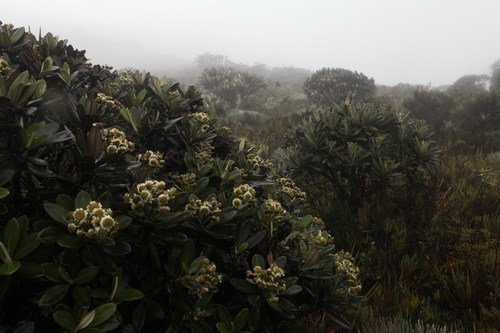
This endemic species inhabits the montane forests and shrublands of Rapa Island in the Austral Islands of French Polynesia. It occurs in native vegetation communities at higher elevations where moisture levels and plant diversity support specialized invertebrate fauna.
Other threatened species in ASTERACEAE
Frequently asked questions
Why is Pacifigeron rapensis classified as Critically Endangered?
Where does Pacifigeron rapensis live?
What are the main threats to Pacifigeron rapensis?
Get weekly conservation intelligence
One short digest a week of the most striking species and country data we ship, plus breaking conservation news paired with our database where it matters.
Free, no spam. One-click unsubscribe in every email.