Ogasawarana habei
Overview
A detailed profile for this species is sourced from the IUCN Red List of Threatened Species as assessments become available.
Ogasawarana habei faces severe threats from invasive species, particularly the introduced flatworm Platydemus manokwari, which preys directly on native land snails. Habitat degradation from invasive plants and human development on the Ogasawara Islands has further reduced suitable forest environments. The species' extremely limited range makes it highly vulnerable to local extinctions from these combined pressures.
Habitat
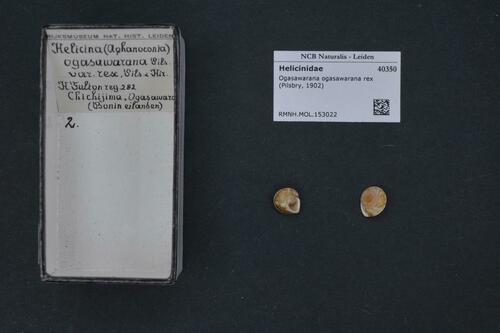
This endemic land snail inhabits the native forest understory of the Ogasawara Islands (Bonin Islands), Japan, particularly in areas with dense leaf litter and humid microhabitats. It requires undisturbed forest environments with specific moisture and temperature conditions typical of subtropical island ecosystems.
Other threatened species in HELICINIDAE
Frequently asked questions
Why is Ogasawarana habei classified as Critically Endangered?
Where does Ogasawarana habei live?
What are the main threats to Ogasawarana habei?
Get weekly conservation intelligence
One short digest a week of the most striking species and country data we ship, plus breaking conservation news paired with our database where it matters.
Free, no spam. One-click unsubscribe in every email.