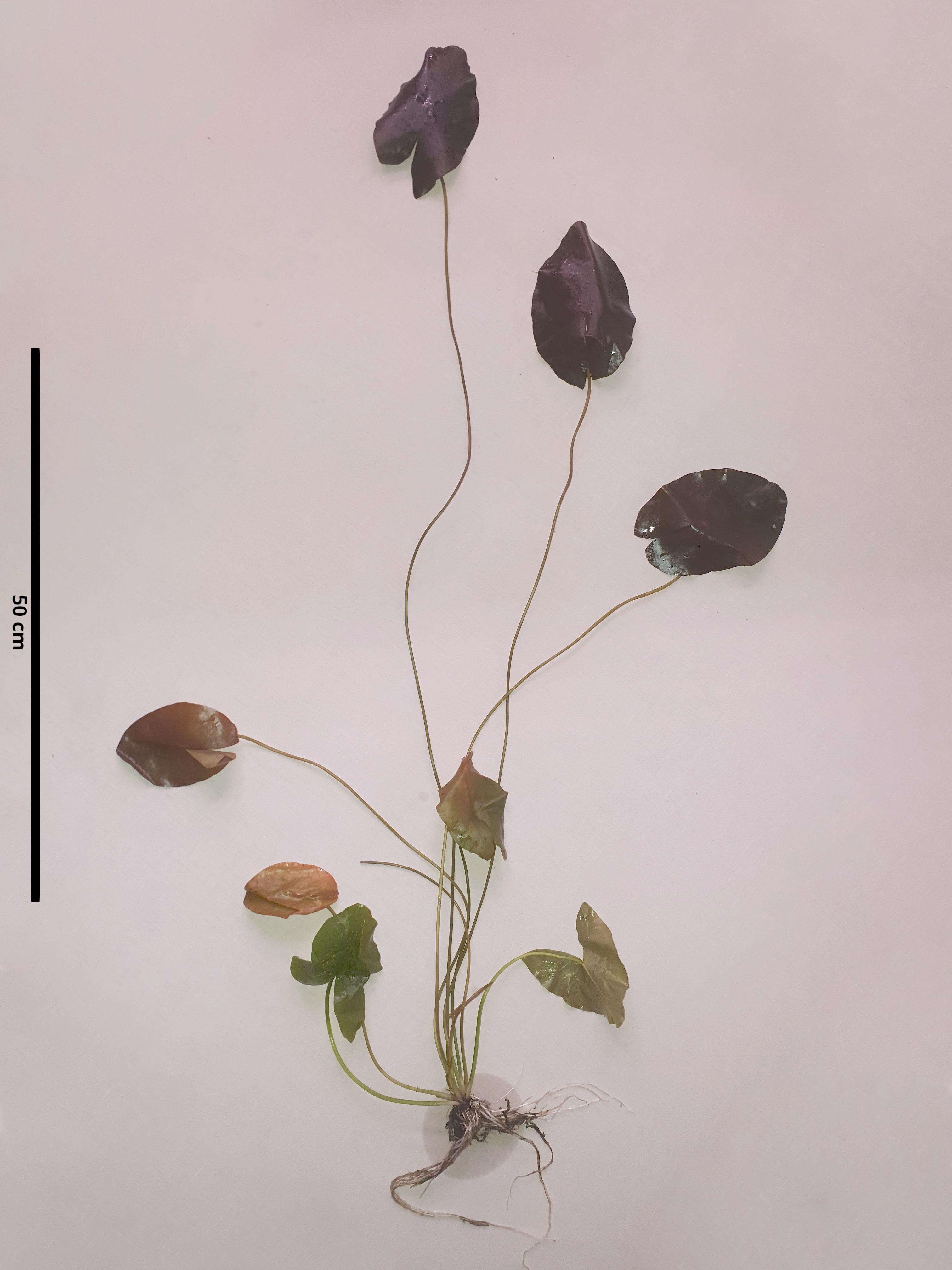
Nymphaea gardneriana
Photo: Wikimedia Commons (CC) via https://en.wikipedia.org/wiki/Nymphaea_gardneriana
Overview
A detailed profile for this species is sourced from the IUCN Red List of Threatened Species as assessments become available.
Nymphaea gardneriana faces severe pressure from agricultural expansion and urban development that destroys its freshwater wetland habitats across Brazil. Water pollution from agricultural runoff and domestic sewage significantly degrades water quality in the shallow lakes and ponds where this aquatic lily grows. Climate change-induced alterations to precipitation patterns threaten the delicate hydrological balance these plants require, while invasive aquatic species compete for space and resources in their limited remaining habitats.
Habitat
Nymphaea gardneriana inhabits shallow freshwater lakes, ponds, and slow-moving waterways in Brazil's tropical regions. This aquatic lily requires clean, nutrient-rich waters with stable water levels and grows rooted in muddy substrates with floating leaves on the surface.
Other threatened species in Nymphaeaceae
Frequently asked questions
Why is Nymphaea gardneriana classified as Endangered?
Where does Nymphaea gardneriana live?
What are the main threats to Nymphaea gardneriana?
Get weekly conservation intelligence
One short digest a week of the most striking species and country data we ship, plus breaking conservation news paired with our database where it matters.
Free, no spam. One-click unsubscribe in every email.