Nike's Squeaker
Arthroleptis nikeae
Overview
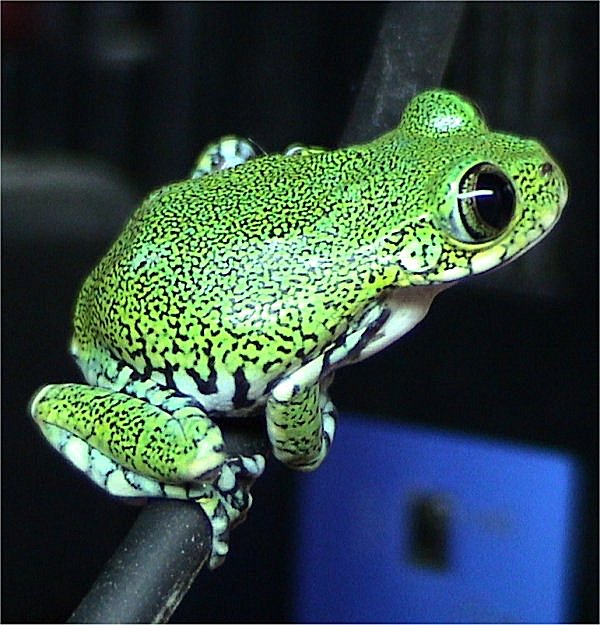
Arthroleptis nikeae, also known as Nike's squeaker, is a species of frogs in the family Arthroleptidae. It is endemic to the Mafwemiro Reserve in the Rubeho Mountains of Tanzania. It was named after conservationist Nike Doggart, who first found it. With a maximum snout–vent length of 57 mm (2.2 in), it is among the largest Arthroleptis species.
Arthroleptis nikeae faces severe threats primarily from habitat destruction due to agricultural expansion and logging activities in its limited range. The species' extremely restricted distribution makes it particularly vulnerable to local environmental changes and human encroachment.
Habitat
This species inhabits montane forest environments in the Eastern Arc Mountains of Tanzania, typically found in moist forest floors and leaf litter at elevations between 1,200-2,000 meters. It requires intact forest canopy cover and is associated with areas of high humidity and stable microclimate conditions.
Conservation measures underway
Other threatened species in ARTHROLEPTIDAE

Threatened in Tanzania
Frequently asked questions
Why is Nike's Squeaker classified as Critically Endangered?
Where does Nike's Squeaker live?
What are the main threats to Nike's Squeaker?
Get weekly conservation intelligence
One short digest a week of the most striking species and country data we ship, plus breaking conservation news paired with our database where it matters.
Free, no spam. One-click unsubscribe in every email.