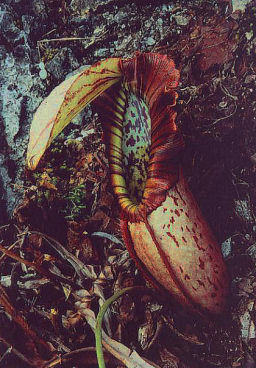
Nepenthes boschiana
Overview
A detailed profile for this species is sourced from the IUCN Red List of Threatened Species as assessments become available.
Nepenthes boschiana faces severe pressure from habitat destruction as Borneo's lowland and hill forests are cleared for palm oil plantations and logging operations. The species' restricted range on specific geological substrates makes it particularly vulnerable to localized deforestation. Collection pressure from carnivorous plant enthusiasts has historically impacted wild populations, though this threat has diminished with increased cultivation.
Habitat
This carnivorous pitcher plant inhabits lowland and hill dipterocarp forests of Borneo, typically growing as an epiphyte or terrestrial plant on sandy or rocky soils at elevations up to 1,200 meters. It shows a preference for areas with high humidity and filtered sunlight along forest edges and clearings.
Conservation measures underway
Other threatened species in NEPENTHACEAE

Threatened in Indonesia

Frequently asked questions
Why is Nepenthes boschiana classified as Endangered?
Where does Nepenthes boschiana live?
What are the main threats to Nepenthes boschiana?
Get weekly conservation intelligence
One short digest a week of the most striking species and country data we ship, plus breaking conservation news paired with our database where it matters.
Free, no spam. One-click unsubscribe in every email.