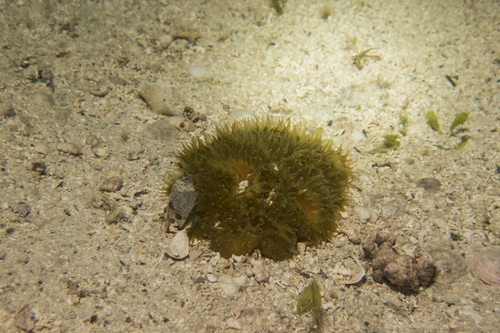
Brazilian Rose Coral
Meandrina brasiliensis
Photo: Photo: (c) João D'Andretta, some rights reserved (CC BY), uploaded by João D'Andretta
Overview
The Brazilian rose coral (Meandrina brasiliensis) is a reef-building coral endemic to the coastal waters off Brazil, where it contributes structural complexity to shallow reef ecosystems along the country's continental shelf. Colonies form meandering, brain-like ridges and valleys, with polyps typically displaying warm rose to tan coloration that gives the species its common name. This coral inhabits shallow, turbid reef environments, often in nearshore waters influenced by river discharge and sediment loads distinctive to Brazil's reef systems, which differ ecologically from the clearer offshore reefs typical of the wider Caribbean.
The species is classified as Critically Endangered (CR) by the IUCN, with a decreasing population trend driven by cumulative pressures on Brazil's already restricted reef habitat. Rising sea surface temperatures have triggered repeated bleaching events, weakening coral tissue and reducing reproductive output, while coastal development and land-based runoff have increased sedimentation and nutrient loading that smother colonies and favor algal overgrowth. Ocean acidification further compromises skeletal growth, compounding recovery challenges for a species with an already narrow geographic range.
Because Brazilian reefs are biogeographically isolated from other Atlantic reef systems, this coral cannot rely on larval recruitment from external populations, heightening its vulnerability to local extinction. Conservation efforts are gaining momentum, including expanded marine protected areas along the Brazilian coast and active reef monitoring programs that track colony health and bleaching response. Researchers are also investigating the species' apparent thermal tolerance thresholds, since some Brazilian reef corals have shown surprising resilience to turbid, warmer nearshore conditions compared to their clearwater relatives elsewhere—offering a cautious note of optimism that targeted protection of resilient colonies could support long-term recovery if sedimentation and warming trends are managed.
Meandrina brasiliensis faces severe decline due to coastal development and tourism infrastructure along Brazil's Atlantic coast, which destroys critical reef habitats. Ocean warming and acidification from climate change cause widespread coral bleaching events, while agricultural and urban runoff creates nutrient pollution that promotes harmful algal blooms. Sedimentation from coastal construction smothers coral polyps, and overfishing removes key herbivorous fish that maintain healthy reef ecosystems.
Habitat
Meandrina brasiliensis inhabits shallow tropical coral reef environments along Brazil's Atlantic coast, typically found in clear waters at depths of 5-30 meters. This species forms part of the endemic Brazilian reef ecosystem, growing on hard substrates in areas with moderate to strong water circulation.
Conservation measures underway
Other threatened species in MEANDRINIDAE


Threatened in Brazil


Frequently asked questions
Why is Brazilian Rose Coral classified as Critically Endangered?
Where does Brazilian Rose Coral live?
What are the main threats to Brazilian Rose Coral?
Get weekly conservation intelligence
One short digest a week of the most striking species and country data we ship, plus breaking conservation news paired with our database where it matters.
Free, no spam. One-click unsubscribe in every email.