Macromia irina
Overview
A detailed profile for this species is sourced from the IUCN Red List of Threatened Species as assessments become available.
Macromia irina faces significant pressure from habitat degradation due to agricultural expansion and urban development within its limited range in Southeast Asia. Water pollution from agricultural runoff and industrial activities threatens the pristine stream conditions essential for larval development. Climate change poses additional risks through altered precipitation patterns that could disrupt the seasonal flooding cycles critical for breeding success.
Habitat
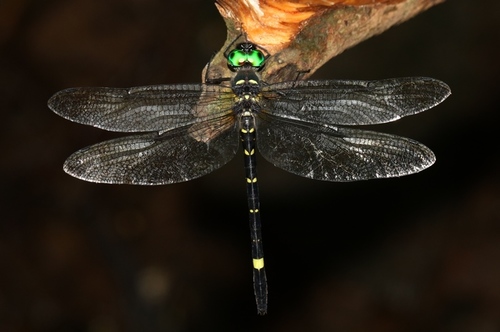
This dragonfly species inhabits clear, fast-flowing streams and small rivers in forested areas of Southeast Asia. Adults require adjacent forest canopy for roosting and hunting, while larvae develop in clean, well-oxygenated water with rocky or sandy substrates.
Other threatened species in MACROMIIDAE

Threatened in Indonesia

Frequently asked questions
Why is Macromia irina classified as Vulnerable?
Where does Macromia irina live?
What are the main threats to Macromia irina?
Get weekly conservation intelligence
One short digest a week of the most striking species and country data we ship, plus breaking conservation news paired with our database where it matters.
Free, no spam. One-click unsubscribe in every email.