Lychnophora damazioi
Overview
A detailed profile for this species is sourced from the IUCN Red List of Threatened Species as assessments become available.
Lychnophora damazioi faces severe pressure from habitat destruction in Brazil's cerrado and campo rupestre ecosystems, where mining activities and agricultural expansion have fragmented its specialized rocky outcrop habitats. The species' extremely restricted range and small population size make it particularly vulnerable to local extinctions from fire regime changes and invasive grass species that alter the natural vegetation structure of its montane environments.
Habitat
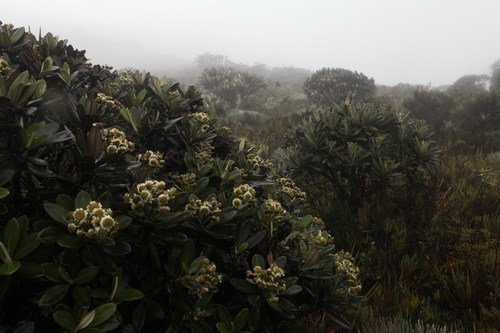
This endemic Brazilian species inhabits specialized rocky outcrops and campo rupestre vegetation in montane cerrado ecosystems. It requires well-drained, nutrient-poor soils typical of quartzite and sandstone formations at elevations between 900-1400 meters.
Other threatened species in ASTERACEAE
Frequently asked questions
Why is Lychnophora damazioi classified as Endangered?
Where does Lychnophora damazioi live?
What are the main threats to Lychnophora damazioi?
Get weekly conservation intelligence
One short digest a week of the most striking species and country data we ship, plus breaking conservation news paired with our database where it matters.
Free, no spam. One-click unsubscribe in every email.