CRCritically Endangered

Long-fruited Thread-moss

Pohlia elongata

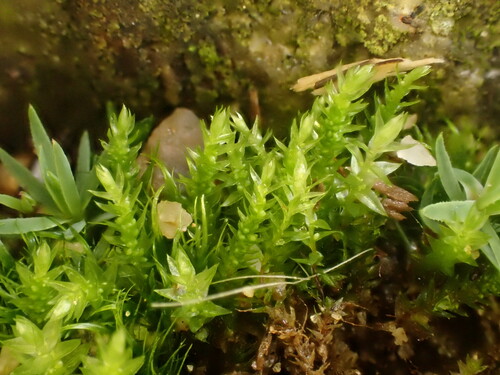
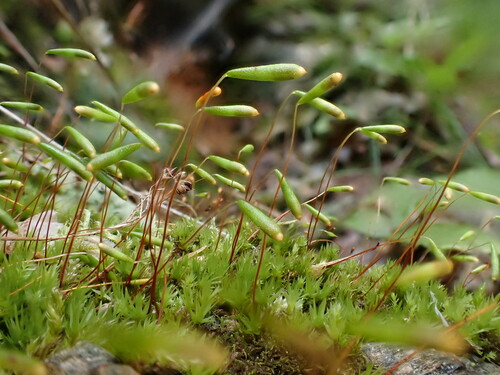
Long-fruited Thread-moss (Pohlia elongata) is a small acrocarpous moss characterized by its distinctive elongated capsules that give the species its common name. This delicate moss forms loose tufts with narrow, lance-shaped leaves and plays an important ecological role in soil stabilization and moisture retention in specialized microhabitats.

01Classification

Taxonomy & Classification

Kingdom

Plantae

Phylum

Bryophyta

Class

Bryopsida

Order

Bryales

Family

Mniaceae

Genus

Pohlia

Long-fruited Thread-moss belongs to the family Mniaceae, order Bryales, within the Bryopsida class.

02Description

Species Profile

Long-fruited Thread-moss (Pohlia elongata) is a small acrocarpous moss characterized by its distinctive elongated capsules that give the species its common name. This delicate moss forms loose tufts with narrow, lance-shaped leaves and plays an important ecological role in soil stabilization and moisture retention in specialized microhabitats.

Long-fruited Thread-moss (Pohlia elongata) is critically endangered due to its extremely limited distribution and vulnerability to habitat disturbance. The species faces severe threats from human activities that alter its specialized microhabitat requirements, particularly in areas where it grows on disturbed soil, rock crevices, and banks.

Key Facts

IUCN StatusCritically Endangered (CR)
GroupPlants
03Habitat

Habitat & Distribution

Pohlia elongata typically grows on moist, mineral-rich soil along stream banks, seepage areas, and wet rock crevices in montane regions. The species requires consistently humid conditions and is often found in shaded microsites where water seepage maintains year-round moisture.

04Threats

Threats

!

IUCN Red List: Critically Endangered

Long-fruited Thread-moss (Pohlia elongata) is critically endangered due to its extremely limited distribution and vulnerability to habitat disturbance. The species faces severe threats from human activities that alter its specialized microhabitat requirements, particularly in areas where it grows on disturbed soil, rock crevices, and banks.

Habitat destruction and fragmentation

HighOngoing

Human trampling and recreational activities

HighOngoing

Agricultural intensification

MediumOngoing

Climate change and altered precipitation patterns

MediumOngoing

Invasive plant species competition

MediumOngoing
07National Status

National vs Global Threat Status

How this species is assessed at the national level compared to its IUCN global status (CR).

CountryNational StatusGlobal StatusComparison
EULCLeast ConcernCRCritically EndangeredLower local risk

National Red List data sourced from the National Red List Project (nationalredlist.org, ZSL) and country-specific Red List authorities.

Community

Community Sightings

Report a sighting

No community sightings yet. Be the first to report!

07Sources

Sources & Attribution

How to Cite

IUCN: IUCN (2025). The IUCN Red List of Threatened Species. Version 2025-1. Available at: https://www.iucnredlist.org. doi:10.2305/IUCN.UK.2025-1.RLTS

GBIF: GBIF.org (2025). GBIF Home Page. Available at: https://www.gbif.org

National Red Lists: ZSL (2025). National Red List. Zoological Society of London. Available at: https://www.nationalredlist.org

This page: SpeciesRadar (2025). Long-fruited Thread-moss (Pohlia elongata). SpeciesRadar: Intelligence for Earth's Biodiversity. Available at: https://speciesradar.org/species/long-fruited-thread-moss

Full citation guide & data usage terms