Loja Robber Frog
Pristimantis versicolor
Overview
A detailed profile for this species is sourced from the IUCN Red List of Threatened Species as assessments become available.
The Loja Robber Frog faces severe pressure from habitat destruction as cloud forests in southern Ecuador are cleared for agriculture and cattle ranching. Mining activities in the Cordillera del Cóndor region pose additional threats to remaining forest fragments. Climate change compounds these pressures by altering the moisture-dependent microhabitats essential for this species' survival and reproduction.
Habitat
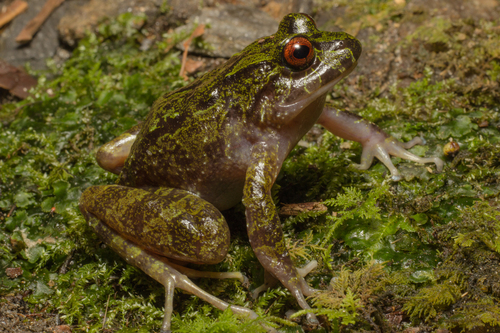
This species inhabits cloud forests and montane humid forests between 1,800-2,400 meters elevation in the Cordillera del Cóndor of southern Ecuador. It requires areas with high humidity and dense vegetation cover, typically found on moss-covered rocks and leaf litter in primary forest environments.
Other threatened species in Craugastoridae


Frequently asked questions
Why is Loja Robber Frog classified as Vulnerable?
Where does Loja Robber Frog live?
What are the main threats to Loja Robber Frog?
Get weekly conservation intelligence
One short digest a week of the most striking species and country data we ship, plus breaking conservation news paired with our database where it matters.
Free, no spam. One-click unsubscribe in every email.