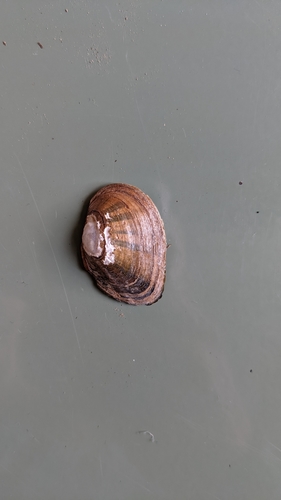
Lexingtonia subplana
Photo: (c) Athan Anderson, some rights reserved (CC BY-NC), uploaded by Athan Anderson
Overview
The Atlantic pigtoe is a species of bivalve in the family Unionidae. It is endemic to the United States.
Lexingtonia subplana faces severe threats from limestone quarrying and cave disturbance in its restricted Kentucky range. The species' dependence on specific cave microhabitats makes it extremely vulnerable to hydrological changes and direct habitat destruction. Urban development and groundwater pollution in the karst landscape further compromise the delicate cave ecosystems this snail requires for survival.
Habitat
This critically endangered land snail is endemic to limestone cave systems and associated karst formations in Kentucky. It inhabits the twilight zones and deeper recesses of caves where stable humidity and temperature conditions support specialized cave-adapted communities.
Other threatened species in UNIONIDAE

Frequently asked questions
Why is Lexingtonia subplana classified as Critically Endangered?
Where does Lexingtonia subplana live?
What are the main threats to Lexingtonia subplana?
Get weekly conservation intelligence
One short digest a week of the most striking species and country data we ship, plus breaking conservation news paired with our database where it matters.
Free, no spam. One-click unsubscribe in every email.