ENEndangered

Epilobium laestadii

Local name: lappdunört

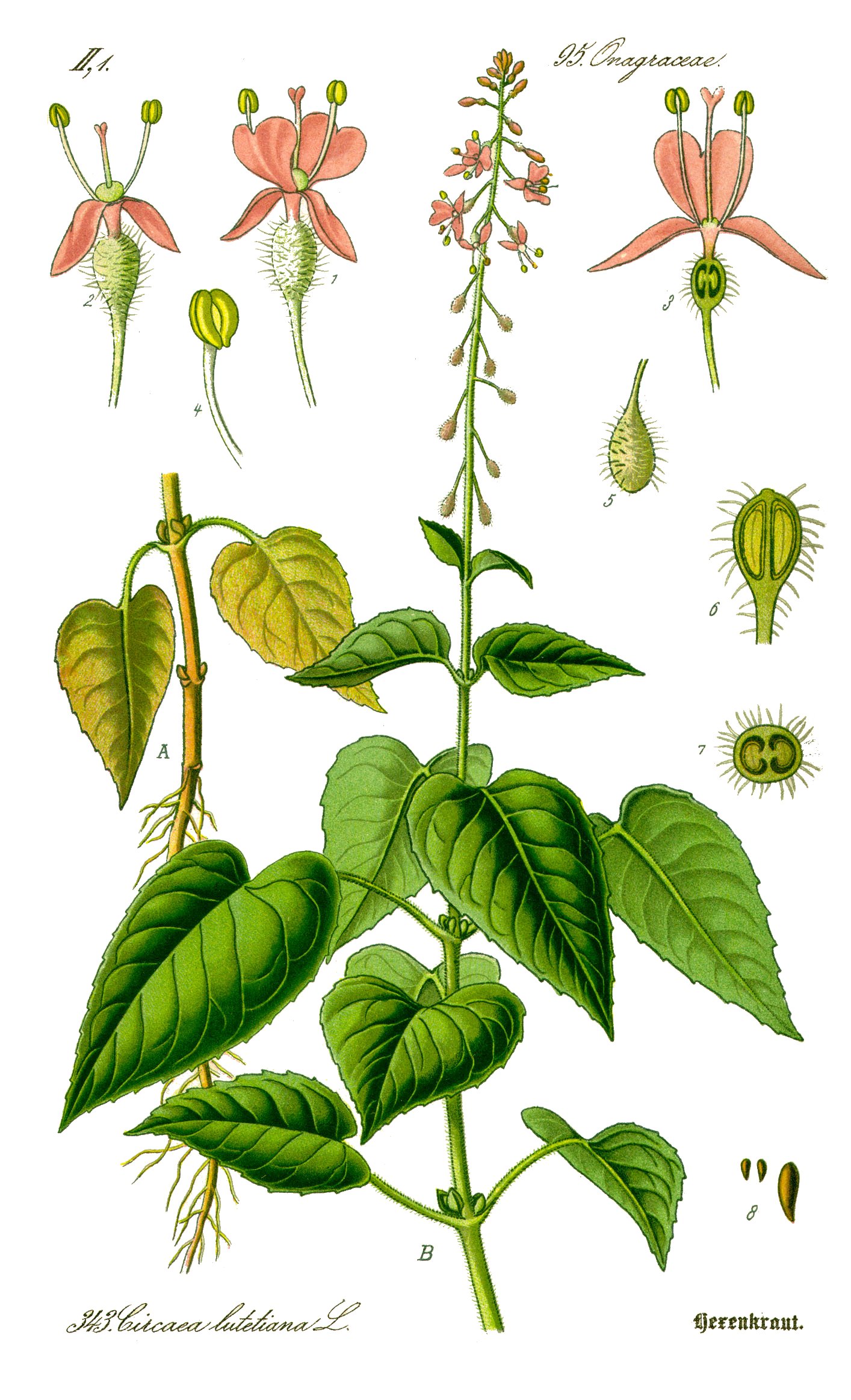
Epilobium laestadii, known as lappdunört or Laestad's willowherb, is a small perennial herb in the evening primrose family with narrow leaves and delicate pink to purple flowers. This Arctic-alpine species typically grows 10-30 cm tall and plays a role in stabilizing soil in harsh northern environments while providing nectar for specialized cold-adapted pollinators.

01Classification

Taxonomy & Classification

Kingdom

Plantae

Phylum

Tracheophyta

Class

Magnoliopsida

Order

Myrtales

Family

Onagraceae

Genus

Epilobium

Epilobium laestadii belongs to the family Onagraceae, order Myrtales, within the Magnoliopsida class.

02Description

Species Profile

Epilobium laestadii, known as lappdunört or Laestad's willowherb, is a small perennial herb in the evening primrose family with narrow leaves and delicate pink to purple flowers. This Arctic-alpine species typically grows 10-30 cm tall and plays a role in stabilizing soil in harsh northern environments while providing nectar for specialized cold-adapted pollinators.

Epilobium laestadii faces severe population decline primarily due to habitat loss from urban development and infrastructure projects in its limited alpine and subalpine range. Climate change poses an additional threat by altering the specific temperature and moisture conditions required for this cold-adapted species.

Key Facts

IUCN StatusEndangered (EN)
GroupPlants
03Habitat

Habitat & Distribution

This species inhabits moist to wet soils in Arctic and subarctic regions, typically found along stream banks, in wet meadows, and on rocky slopes with seepage. It thrives in areas with late snow melt and cool, humid conditions characteristic of northern latitudes and high mountain elevations.

04Threats

Threats

!

IUCN Red List: Endangered

Epilobium laestadii faces severe population decline primarily due to habitat loss from urban development and infrastructure projects in its limited alpine and subalpine range. Climate change poses an additional threat by altering the specific temperature and moisture conditions required for this cold-adapted species.

Climate change and warming temperatures

HighOngoing

Habitat loss from urban development

HighOngoing

Infrastructure development and construction

HighOngoing

Competition from invasive plant species

MediumOngoing

Small population size and genetic bottlenecks

MediumOngoing
Community

Community Sightings

Report a sighting

No community sightings yet. Be the first to report!

07Sources

Sources & Attribution

How to Cite

IUCN: IUCN (2025). The IUCN Red List of Threatened Species. Version 2025-1. Available at: https://www.iucnredlist.org. doi:10.2305/IUCN.UK.2025-1.RLTS

GBIF: GBIF.org (2025). GBIF Home Page. Available at: https://www.gbif.org

This page: SpeciesRadar (2025). Epilobium laestadii (Epilobium laestadii). SpeciesRadar: Intelligence for Earth's Biodiversity. Available at: https://speciesradar.org/species/lappdunort

Full citation guide & data usage terms