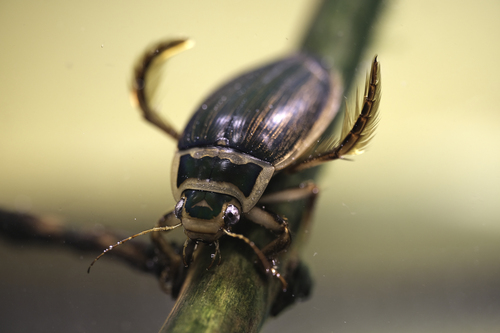
Highland Great Diving-beetle
Dytiscus lapponicus
Photo: Photo: (c) Lars Lønsmann Iversen, some rights reserved (CC BY-NC), uploaded by Lars Lønsmann Iversen
Overview
Dytiscus lapponicus is a large predatory diving beetle endemic to northern Scandinavia and arctic regions, characterized by its distinctive yellow-bordered elytra and robust aquatic build. This apex aquatic predator plays a crucial role in freshwater ecosystems by controlling populations of smaller invertebrates, fish fry, and amphibian larvae.
Dytiscus lapponicus faces severe threats from habitat loss and degradation of its specialized aquatic environments in northern regions. Climate change poses a particularly significant risk as warming temperatures alter the cold-water habitats this Arctic/subarctic species depends on. Water pollution and human disturbance of pristine northern wetlands further compound the pressures on remaining populations.
Habitat
This species inhabits cold, clear oligotrophic lakes, ponds, and slow-moving streams in arctic and subarctic regions, particularly favoring shallow vegetated margins with abundant aquatic plants. It requires pristine waters with stable temperatures and high oxygen levels typical of northern boreal and tundra landscapes.
Other threatened species in Dytiscidae
Frequently asked questions
Why is Highland Great Diving-beetle classified as Critically Endangered?
Where does Highland Great Diving-beetle live?
What are the main threats to Highland Great Diving-beetle?
Get weekly conservation intelligence
One short digest a week of the most striking species and country data we ship, plus breaking conservation news paired with our database where it matters.
Free, no spam. One-click unsubscribe in every email.