Bryoria tenuis
Local name: långt broktagel
Overview
A detailed profile for this species is sourced from the IUCN Red List of Threatened Species as assessments become available.
Bryoria tenuis faces severe decline due to air pollution, particularly sulfur dioxide and nitrogen compounds that directly damage its sensitive thallus structure. The species is extremely vulnerable to habitat fragmentation as old-growth forests are cleared, eliminating the mature trees it requires as substrates. Climate change compounds these pressures by altering precipitation patterns and increasing temperature stress in its montane habitats.
Habitat
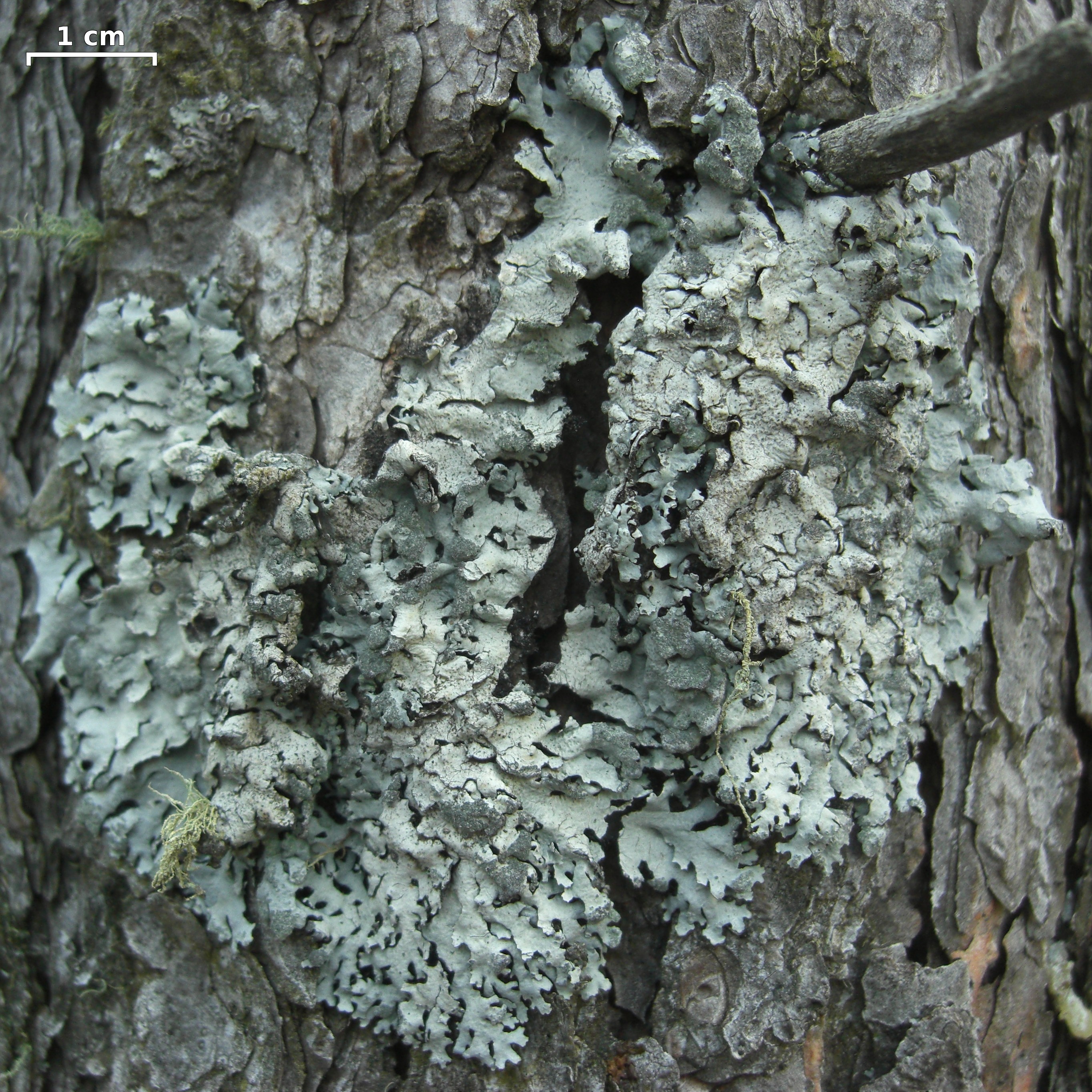
This epiphytic lichen grows exclusively on the bark of old conifers in mature boreal and montane forests, particularly favoring spruce and fir trees in humid, unpolluted environments. It requires stable microclimatic conditions with consistent moisture and clean air, typically found at elevations between 500-1500 meters in Scandinavian forests.
Other threatened species in Parmeliaceae
Frequently asked questions
Why is långt broktagel classified as Vulnerable?
Where does långt broktagel live?
What are the main threats to långt broktagel?
Get weekly conservation intelligence
One short digest a week of the most striking species and country data we ship, plus breaking conservation news paired with our database where it matters.
Free, no spam. One-click unsubscribe in every email.