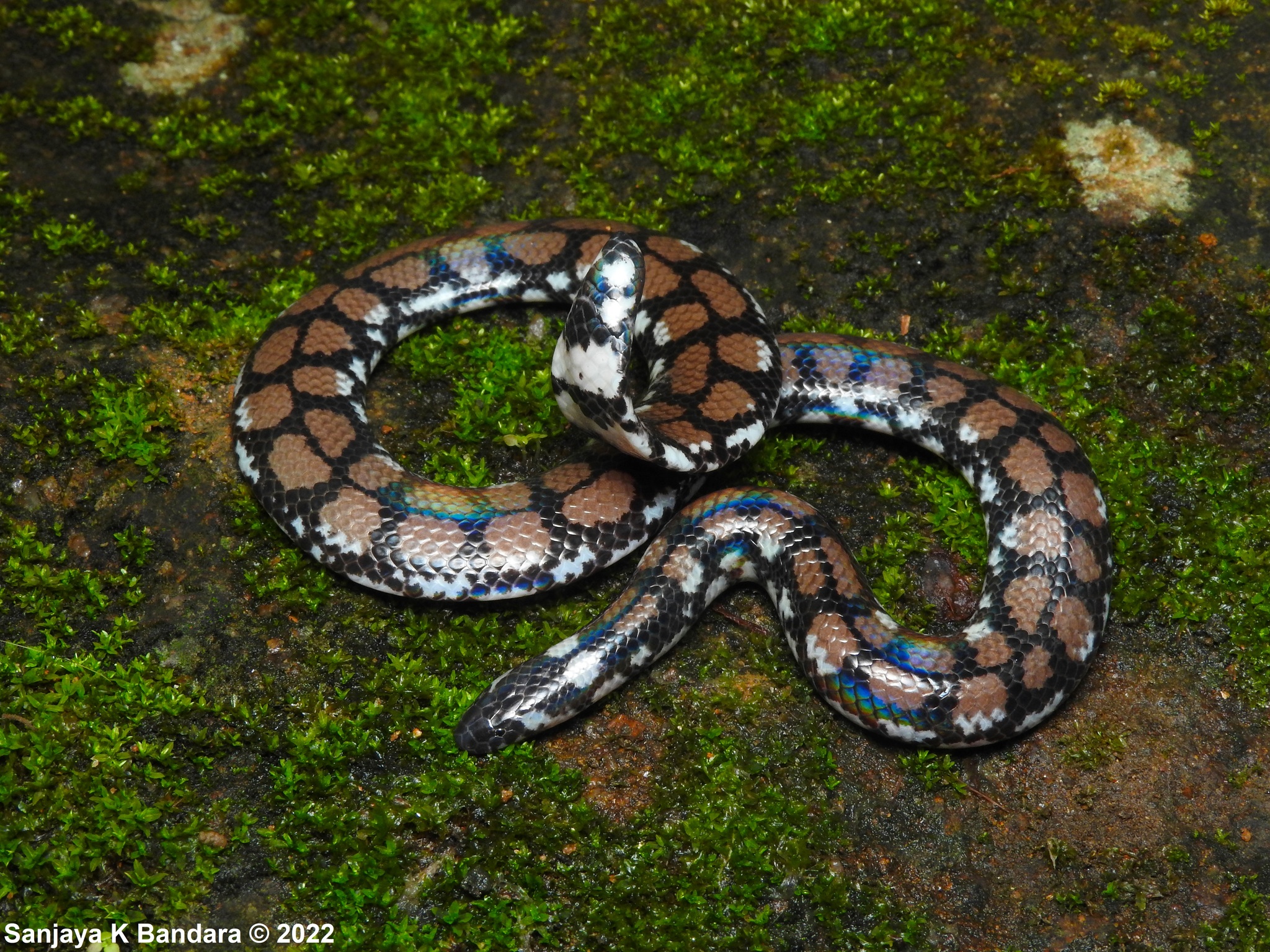
Jampea Island Pipe Snake
Cylindrophis isolepis
Overview
A detailed profile for this species is sourced from the IUCN Red List of Threatened Species as assessments become available.
Cylindrophis isolepis faces severe threats from rapid deforestation and agricultural conversion throughout its extremely limited range in Sri Lanka's lowland wet zone. The species' fossorial lifestyle makes it particularly vulnerable to soil disturbance from development and intensive farming practices. Its small population size and restricted distribution leave little room for recovery from habitat degradation.
Habitat
This fossorial snake inhabits the leaf litter and upper soil layers of lowland tropical rainforests in Sri Lanka's wet zone. It requires undisturbed forest floor conditions with rich organic matter and stable soil structure for burrowing.
Other threatened species in CYLINDROPHIIDAE
Threatened in Indonesia

Frequently asked questions
Why is Jampea Island Pipe Snake classified as Critically Endangered?
Where does Jampea Island Pipe Snake live?
What are the main threats to Jampea Island Pipe Snake?
Get weekly conservation intelligence
One short digest a week of the most striking species and country data we ship, plus breaking conservation news paired with our database where it matters.
Free, no spam. One-click unsubscribe in every email.