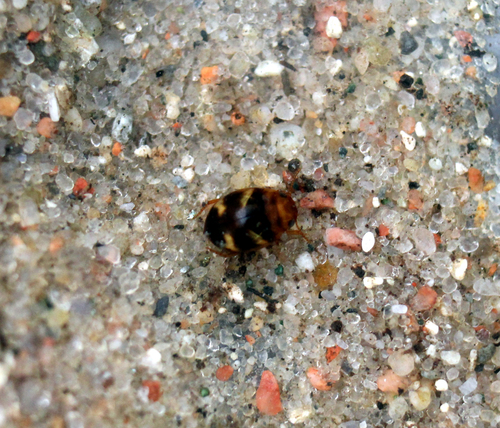
Hydrovatus cuspidatus
Photo: (c) AWI i Pr., some rights reserved (CC BY-NC), uploaded by AWI i Pr.
Overview
Hydrovatus cuspidatus is a small aquatic beetle belonging to the family Dytiscidae, commonly known as diving beetles. This species is characterized by its streamlined body adapted for life in freshwater environments, where it functions as both predator and scavenger. The beetle exhibits typical dytiscid features including modified hind legs for swimming and the ability to store air beneath its wing covers for underwater respiration.
Hydrovatus cuspidatus inhabits specific freshwater ecosystems, likely including ponds, slow-moving streams, and wetland areas where it feeds on small invertebrates and organic matter. The species is currently classified as Critically Endangered on the IUCN Red List, indicating an extremely high risk of extinction in the wild. The primary threats to this species likely include habitat destruction and degradation of freshwater ecosystems, pollution from agricultural runoff and urban development, and potential climate change impacts affecting water levels and quality.
Water body modification, drainage of wetlands, and introduction of invasive species may also contribute to population decline. The population trend remains unknown, highlighting the need for comprehensive surveys and monitoring programs. Conservation efforts for this species would benefit from habitat protection and restoration of freshwater ecosystems, water quality improvement initiatives, and research to better understand its ecological requirements and distribution.
Establishing protected areas around critical habitats and implementing sustainable land use practices in surrounding watersheds would be essential for the species' long-term survival.
Hydrovatus cuspidatus faces severe threats from freshwater habitat destruction and degradation caused by human activities including urban development, agriculture, and wetland drainage. Water pollution from chemical runoff and habitat modification through dam construction or water diversion projects further compromise the species' survival. Climate change may exacerbate these pressures by altering water availability and quality in the specific ecosystems this beetle requires.
Habitat
Hydrovatus cuspidatus inhabits freshwater environments including ponds, slow-moving streams, and wetland areas with suitable water quality and vegetation. The species requires clean, well-oxygenated water bodies that support diverse invertebrate communities which serve as prey sources.
Other threatened species in Dytiscidae
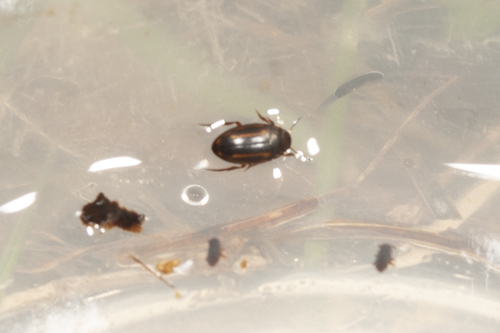
Threatened in Armenia


Frequently asked questions
Why is Hydrovatus cuspidatus classified as Critically Endangered?
Where does Hydrovatus cuspidatus live?
What are the main threats to Hydrovatus cuspidatus?
Get weekly conservation intelligence
One short digest a week of the most striking species and country data we ship, plus breaking conservation news paired with our database where it matters.
Free, no spam. One-click unsubscribe in every email.