Hieracium psiloloma
Overview
A detailed profile for this species is sourced from the IUCN Red List of Threatened Species as assessments become available.
Hieracium psiloloma faces severe threats from habitat destruction and fragmentation in its extremely limited range. The species is vulnerable to invasive plant species that outcompete it for resources and alter soil conditions. Climate change poses additional risks through altered precipitation patterns and temperature regimes that may exceed the species' narrow ecological tolerances.
Habitat
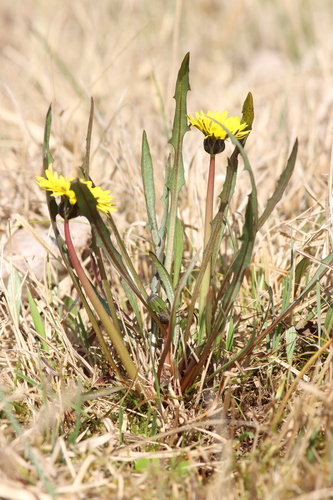
This critically endangered hawkweed species occupies specialized alpine and subalpine habitats, typically found in rocky crevices, scree slopes, and disturbed montane areas. It requires specific soil conditions and elevation ranges that provide the precise microclimate necessary for its survival.
Other threatened species in Asteraceae

Frequently asked questions
Why is Hieracium psiloloma classified as Critically Endangered?
Where does Hieracium psiloloma live?
What are the main threats to Hieracium psiloloma?
Get weekly conservation intelligence
One short digest a week of the most striking species and country data we ship, plus breaking conservation news paired with our database where it matters.
Free, no spam. One-click unsubscribe in every email.