Heteragrion palmichale
Overview
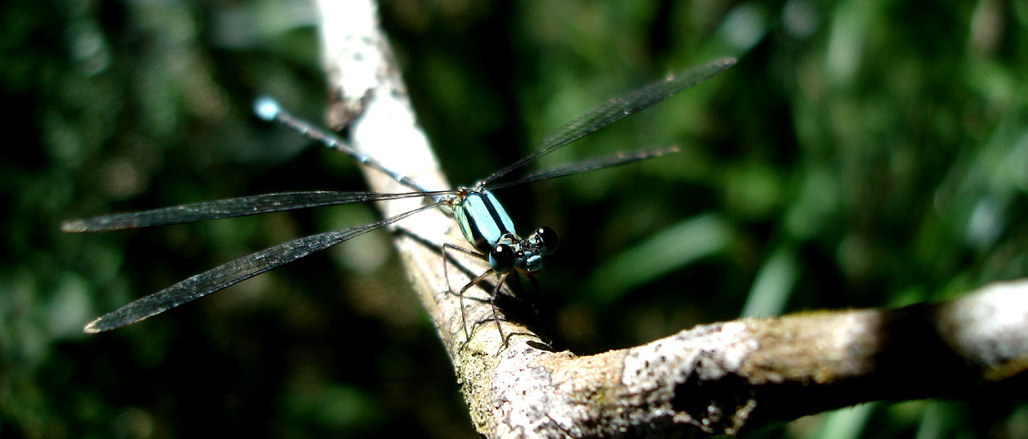
Heteragrion is a genus of damselflies in the family Heteragrionidae.
Heteragrion palmichale faces severe threats from deforestation and agricultural expansion in its limited Colombian range. The species' dependence on pristine forest streams makes it extremely vulnerable to habitat degradation from cattle ranching and crop cultivation. Water pollution from agricultural runoff and sedimentation from erosion further compromise the aquatic ecosystems this damselfly requires for reproduction.
Habitat
This damselfly inhabits pristine forest streams and small rivers in the Colombian Andes, requiring clean, well-oxygenated water with dense riparian vegetation. The species is associated with montane cloud forests and humid tropical forests at elevations between 1,500-2,500 meters.
Conservation measures underway
Other threatened species in HETERAGRIONIDAE
Threatened in Venezuela
Frequently asked questions
Why is Heteragrion palmichale classified as Critically Endangered?
Where does Heteragrion palmichale live?
What are the main threats to Heteragrion palmichale?
Get weekly conservation intelligence
One short digest a week of the most striking species and country data we ship, plus breaking conservation news paired with our database where it matters.
Free, no spam. One-click unsubscribe in every email.