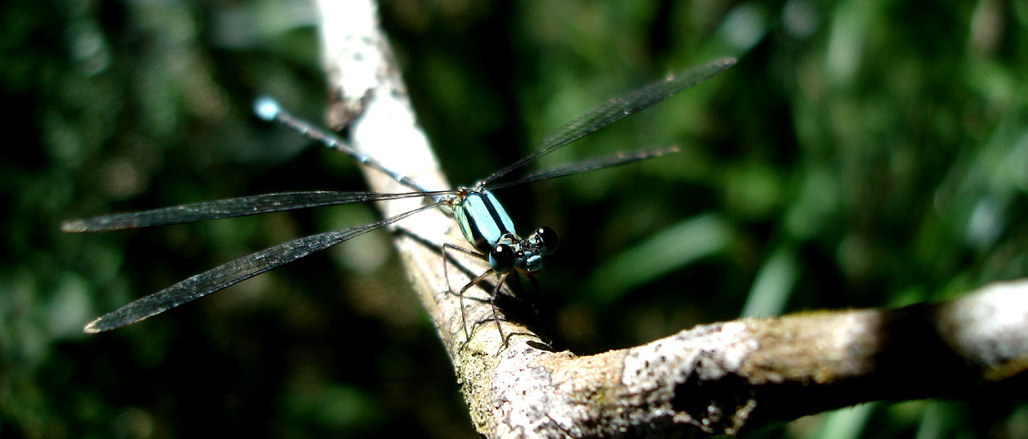
Heteragrion archon
Photo: Wikimedia Commons (CC) via https://en.wikipedia.org/wiki/Heteragrion
Overview
Heteragrion archon is a damselfly species belonging to the family Heteragrionidae, endemic to specific regions of South America. This slender-bodied odonate is characterized by its distinctive wing venation patterns and coloration typical of the Heteragrion genus. The species inhabits pristine freshwater environments, particularly areas with clean, flowing water and dense riparian vegetation that provides essential breeding and foraging habitat.
Like other members of its family, H. archon requires high water quality and undisturbed aquatic ecosystems for successful reproduction and larval development. The species faces significant conservation challenges due to habitat degradation and loss of suitable freshwater environments.
Primary threats include deforestation, agricultural expansion, urban development, and water pollution that compromise the integrity of its aquatic breeding sites. Climate change may also impact local hydrological patterns, potentially affecting water availability and quality in its habitat range. The narrow geographic distribution and specific habitat requirements make this species particularly vulnerable to environmental changes.
Currently classified as Critically Endangered by the IUCN, H. archon represents one of many freshwater invertebrates facing extinction risk due to anthropogenic pressures on aquatic ecosystems. Conservation efforts require protection of remaining pristine freshwater habitats and restoration of degraded areas within its range.
Effective conservation strategies must address both terrestrial and aquatic components of its ecosystem, including maintenance of forest cover along waterways and implementation of water quality protection measures.
Heteragrion archon faces severe threats from habitat destruction caused by deforestation, agricultural expansion, and urban development that degrade its freshwater breeding environments. Water pollution and changes to natural hydrological patterns further compromise the clean, flowing water conditions essential for this species' survival.
Habitat
This damselfly inhabits pristine freshwater environments with clean, flowing water and dense riparian vegetation. The species requires high-quality aquatic ecosystems with undisturbed forest cover along waterways for breeding and larval development.
Conservation measures underway
Other threatened species in HETERAGRIONIDAE
Threatened in Venezuela
Frequently asked questions
Why is Heteragrion archon classified as Critically Endangered?
Where does Heteragrion archon live?
What are the main threats to Heteragrion archon?
Get weekly conservation intelligence
One short digest a week of the most striking species and country data we ship, plus breaking conservation news paired with our database where it matters.
Free, no spam. One-click unsubscribe in every email.