Sunray Lettuce Coral
Helioseris cucullata
Overview
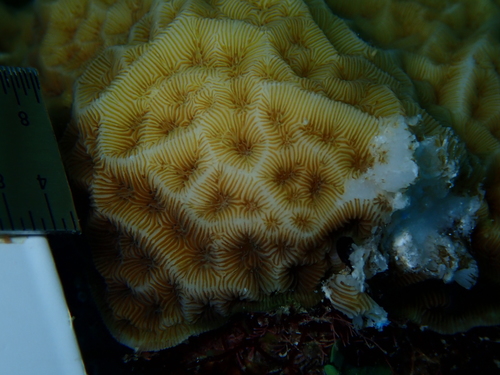
The Sunray Lettuce Coral (Helioseris cucullata) is a distinctive reef-building species recognized by its thin, plate-like or foliaceous fronds arranged in overlapping, whorled patterns that radiate outward like petals of a flower, giving the species its common name. Colonies typically display shades of tan, brown, or pale gray-green, with a delicate, almost translucent texture that distinguishes them from more robust massive corals. This species is found throughout the Caribbean, Gulf of Mexico, and western Atlantic, typically inhabiting deeper reef slopes, walls, and low-light environments at depths where its efficient light-capturing morphology provides a competitive advantage.
As a photosynthetic coral, it depends on symbiotic zooxanthellae for energy while also capturing plankton to supplement nutrition. The Sunray Lettuce Coral is classified as Critically Endangered (CR) by the IUCN, reflecting severe population declines driven by recurrent mass bleaching events, disease outbreaks including stony coral tissue loss disease, and cumulative degradation of Caribbean reef ecosystems. Its thin tissue structure makes it especially vulnerable to thermal stress and physical damage compared to more massive coral growth forms.
Ocean acidification further threatens its ability to maintain calcium carbonate skeletal structures, compounding losses from warming seas. Despite these pressures, conservation momentum is building: several Caribbean marine protected areas now include Helioseris cucullata populations in coral restoration and monitoring programs, and land-based coral nurseries have begun successfully propagating fragments of this species for eventual reef outplanting. Researchers are also studying bleaching-resistant colonies to identify potential thermal tolerance traits that could inform future restoration strategies.
While population trends remain decreasing across its range, the growing investment in Caribbean-wide reef restoration networks and genetic banking efforts offers a meaningful, if fragile, pathway toward stabilizing remaining populations of this ecologically important species.
Helioseris cucullata faces severe population decline primarily due to coral bleaching events caused by rising sea temperatures and ocean acidification. The species is particularly vulnerable to mass bleaching events that have devastated Caribbean coral reefs, with recovery hampered by its slow growth rate and limited reproductive capacity. Additional pressures from coastal development, pollution runoff, and physical damage from hurricanes and human activities have further reduced viable habitat areas.
Habitat
Helioseris cucullata inhabits shallow tropical coral reef environments in the Caribbean, typically found on reef slopes and walls at depths ranging from 3 to 35 meters. This plate coral species prefers areas with moderate to strong water flow and forms distinctive overlapping plate-like structures that provide shelter for various reef organisms.
Conservation measures underway
Other threatened species in AGARICIIDAE

Threatened in Bahamas


Frequently asked questions
Why is Sunray Lettuce Coral classified as Critically Endangered?
Where does Sunray Lettuce Coral live?
What are the main threats to Sunray Lettuce Coral?
Get weekly conservation intelligence
One short digest a week of the most striking species and country data we ship, plus breaking conservation news paired with our database where it matters.
Free, no spam. One-click unsubscribe in every email.