Gymnocarpos bracteatus
Overview
A detailed profile for this species is sourced from the IUCN Red List of Threatened Species as assessments become available.
Gymnocarpos bracteatus faces severe pressure from overgrazing by livestock, particularly goats and camels, which prevents natural regeneration and damages existing plants. Urban expansion and infrastructure development across its limited range in the Arabian Peninsula continue to fragment and destroy critical habitat. Climate change intensifies drought conditions in its already arid environment, reducing the species' ability to survive prolonged dry periods.
Habitat
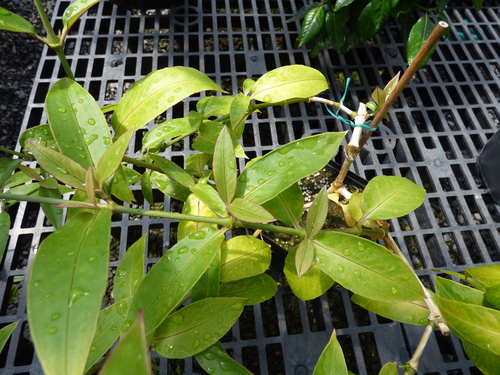
This species inhabits rocky slopes, wadis, and sandy plains in extremely arid desert environments of the Arabian Peninsula. It typically grows in areas with minimal annual rainfall, often associated with other drought-adapted shrubs and sparse vegetation communities.
Other threatened species in CARYOPHYLLACEAE

Frequently asked questions
Why is Gymnocarpos bracteatus classified as Vulnerable?
Where does Gymnocarpos bracteatus live?
What are the main threats to Gymnocarpos bracteatus?
Get weekly conservation intelligence
One short digest a week of the most striking species and country data we ship, plus breaking conservation news paired with our database where it matters.
Free, no spam. One-click unsubscribe in every email.