Gutenbergia oppositifolia
Overview
Gutenbergia oppositifolia is a herbaceous flowering plant belonging to the daisy family, Asteraceae, a lineage known for its distinctive composite flower heads and adaptability across African landscapes. This species is classified as Critically Endangered (CR) by the IUCN, placing it among the plant taxa facing the highest risk of extinction in the wild. Gutenbergia oppositifolia is restricted to a narrow range within tropical Africa, where it grows in grassland and open habitat patches often associated with rocky or disturbed ground, favouring areas with specific soil and light conditions that limit its broader distribution.
Its restricted range and specialized habitat requirements make it inherently vulnerable to localized disturbances, and its rarity means that even small-scale habitat changes can have outsized effects on remaining populations. As with many narrowly distributed African herbs, ongoing land conversion for agriculture and settlement expansion, along with livestock grazing pressure on remaining grassland fragments, are considered significant contributors to its precarious status. Population trend data for this species remains unknown, reflecting the broader challenge of monitoring range-restricted plants in remote or underexplored regions, though its CR listing signals that surviving populations are believed to be extremely small or severely fragmented.
On a more encouraging note, increased botanical survey efforts across its native range have begun to improve understanding of its distribution, and inclusion in regional conservation assessments has raised its visibility among herbaria and plant conservation networks, which is an important first step toward targeted protection. Continued taxonomic and ecological research, alongside potential habitat protection measures in areas where it persists, offer a pathway toward safeguarding this species. Gutenbergia oppositifolia exemplifies the many lesser-known plant species whose survival depends on dedicated regional conservation attention and expanded field research to close existing knowledge gaps.
Gutenbergia oppositifolia faces severe population decline primarily due to habitat destruction from agricultural expansion and urban development across its limited range. The species' restricted distribution makes it particularly vulnerable to localized threats, with remaining populations fragmented and isolated. Overgrazing by livestock has degraded the quality of its preferred grassland habitats, while invasive plant species compete for resources in disturbed areas.
Habitat
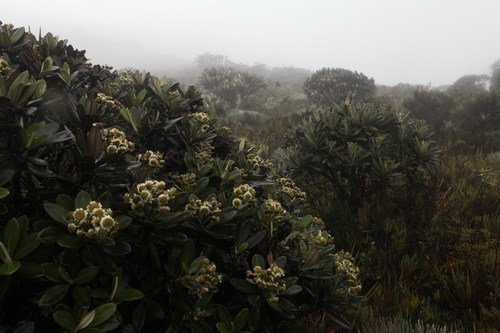
This species typically inhabits open grasslands, rocky slopes, and disturbed areas at moderate elevations. It shows preference for well-drained soils in semi-arid environments with seasonal rainfall patterns.
Conservation measures underway
Other threatened species in ASTERACEAE
Threatened in Tanzania
Frequently asked questions
Why is Gutenbergia oppositifolia classified as Critically Endangered?
Where does Gutenbergia oppositifolia live?
What are the main threats to Gutenbergia oppositifolia?
Get weekly conservation intelligence
One short digest a week of the most striking species and country data we ship, plus breaking conservation news paired with our database where it matters.
Free, no spam. One-click unsubscribe in every email.