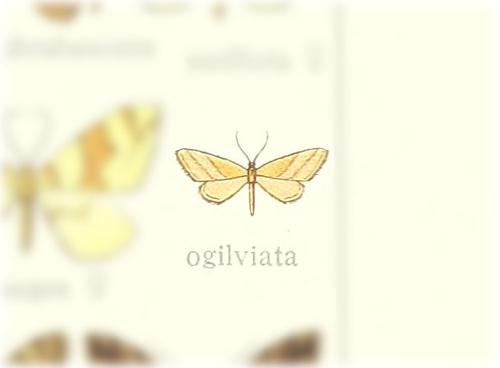
Geometer Moth
Eupithecia ogilviata
Photo: Photo: no rights reserved, uploaded by Andreas Manz
Overview
Eupithecia ogilviata is a moth in the family Geometridae. It is found on the Azores.
Eupithecia ogilviata faces severe threats from habitat destruction and fragmentation of its specialized montane forest environment. Climate change poses an additional critical risk, as warming temperatures force this high-altitude species into increasingly restricted elevational ranges. The moth's dependence on specific host plants makes it particularly vulnerable to ecosystem disruption, while its limited geographic distribution amplifies the impact of any local habitat loss.
Habitat
This species inhabits montane forests and high-altitude woodland environments, typically found in cool, humid conditions at elevations above 1,500 meters. The moth requires intact forest ecosystems with specific host plants for larval development.
Conservation measures underway
Other threatened species in GEOMETRIDAE
Threatened in Portugal
Frequently asked questions
Why is Geometer Moth classified as Critically Endangered?
Where does Geometer Moth live?
What are the main threats to Geometer Moth?
Get weekly conservation intelligence
One short digest a week of the most striking species and country data we ship, plus breaking conservation news paired with our database where it matters.
Free, no spam. One-click unsubscribe in every email.