
Foxy Bolete
Leccinum vulpinum
Photo: Wikimedia Commons (CC) via https://en.wikipedia.org/wiki/Leccinum_vulpinum
Overview
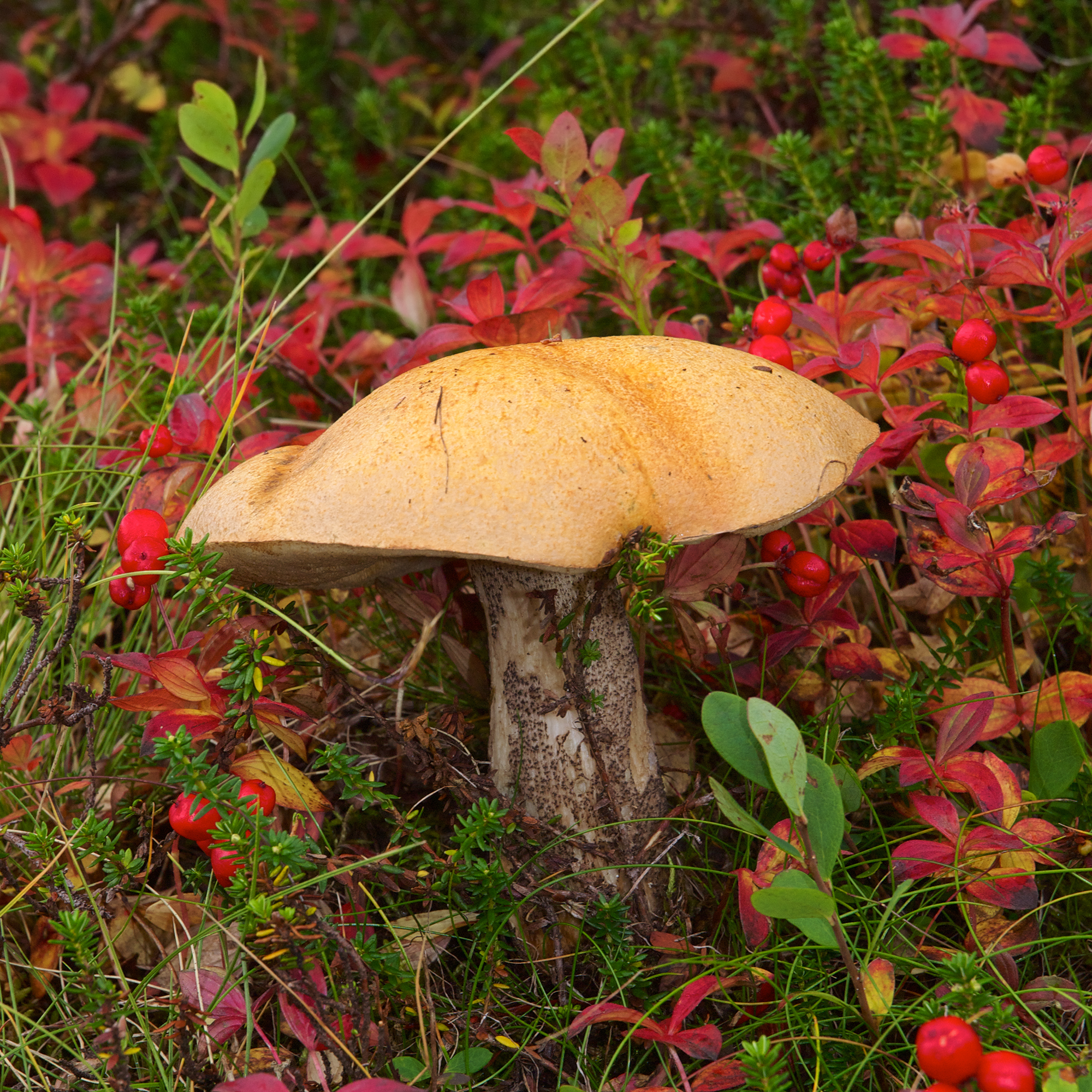
Leccinum vulpinum, commonly known as the foxy bolete, is a species of edible mushroom-forming fungus found in Europe. It is characterized by its muted fox-red cap with cocoa-brown tints, cream-coloured pore surface, and stout stipe covered with scales that darken from whitish to dark brown with age. This bolete is distinguished from its close relatives by its consistent association with conifers, subdued brown-reddish cap lacking vivid yellow-orange tones, and relatively narrow spores.
Originally described by Roy Watling in 1961 from Scotland, it has since been recorded across several European countries including Poland, Portugal, Macedonia, and Montenegro.
The Foxy Bolete faces severe population declines primarily due to habitat loss from deforestation and urban development in its limited range. Climate change is altering the delicate mycorrhizal relationships this fungus depends on with its host trees, while pollution and soil contamination further threaten its survival.
Habitat
Leccinum vulpinum is mycorrhizal with Scots pine (Pinus sylvestris). It was originally recorded from dry, upland pine woods in Inverness-shire, Scotland. Specimens were found among bilberry (Vaccinium myrtillus) beneath mature pines in the Rothiemurchus area and Cairngorms National Park, with known collections dating from 1957 to 1960. An edible species, it grows in mycorrhizal association with...
Other threatened species in Boletaceae



Frequently asked questions
Why is Foxy Bolete classified as Endangered?
Where does Foxy Bolete live?
What are the main threats to Foxy Bolete?
Get weekly conservation intelligence
One short digest a week of the most striking species and country data we ship, plus breaking conservation news paired with our database where it matters.
Free, no spam. One-click unsubscribe in every email.