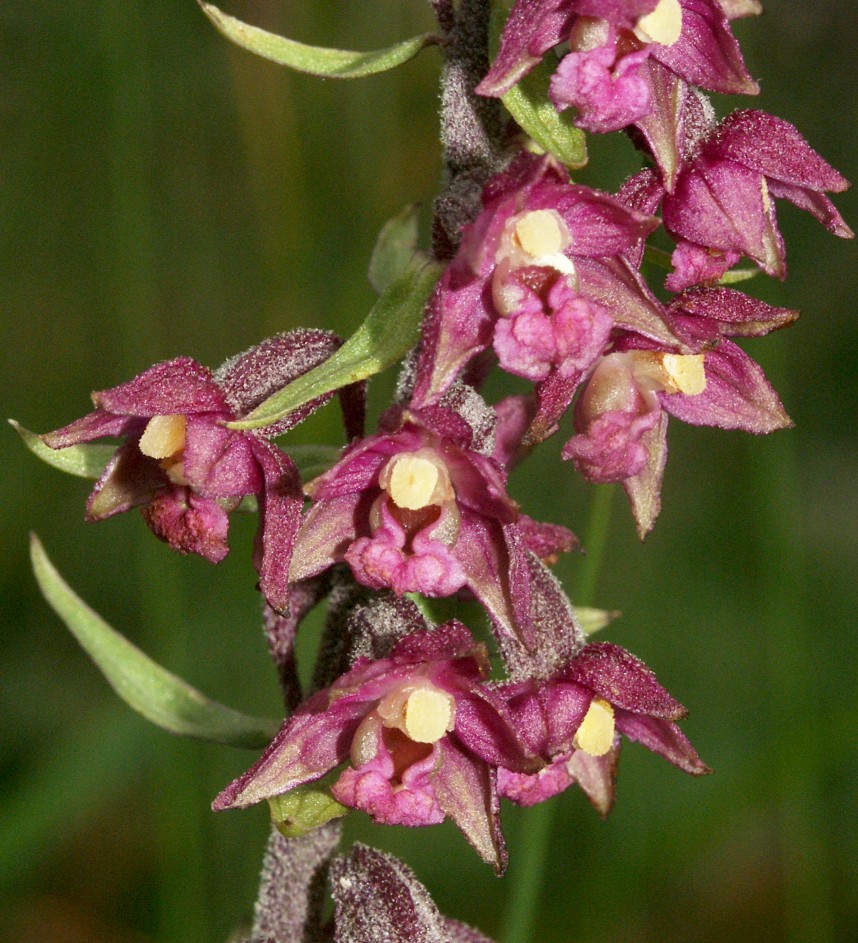
Fly Orchid
CRCritically Endangered

Fly Orchid

Ophrys insectifera

Ophrys insectifera, the fly orchid, is a species of orchid and the type species of the genus Ophrys. It is remarkable as an example of the use of sexually deceptive pollination and floral mimicry, as well as a highly selective and highly evolved plant–pollinator relationship.

Photo: Wikimedia Commons (CC) via https://en.wikipedia.org/wiki/Ophrys_insectifera

01Classification

Taxonomy & Classification

Kingdom

Plantae

Phylum

Tracheophyta

Class

Liliopsida

Order

Asparagales

Family

Orchidaceae

Genus

Ophrys

Fly Orchid belongs to the family Orchidaceae, order Asparagales, within the Liliopsida class.

02Description

Species Profile

Ophrys insectifera, the fly orchid, is a species of orchid and the type species of the genus Ophrys. It is remarkable as an example of the use of sexually deceptive pollination and floral mimicry, as well as a highly selective and highly evolved plant–pollinator relationship.

The Fly Orchid faces severe population declines primarily due to habitat loss from agricultural intensification, urban development, and changes in land management practices that have eliminated or degraded the calcareous grasslands and woodland edges it requires. Climate change and the loss of specialized pollinating insects further threaten remaining populations, while the species' highly specific ecological requirements make it particularly vulnerable to environmental changes.

Key Facts

IUCN StatusCritically Endangered (CR)
GroupPlants
03Habitat

Habitat & Distribution

It is native to Europe, growing further north than most other species in the genus Ophrys, in Scandinavia, Finland and the Baltic states, and as far south as Greece and Spain. In the UK it is a rare species, with a southern distribution.

TERRESTRIALMajor
04Threats

Threats

!

IUCN Red List: Critically Endangered

The Fly Orchid faces severe population declines primarily due to habitat loss from agricultural intensification, urban development, and changes in land management practices that have eliminated or degraded the calcareous grasslands and woodland edges it requires. Climate change and the loss of specialized pollinating insects further threaten remaining populations, while the species' highly specific ecological requirements make it particularly vulnerable to environmental changes.

Changes in land management and abandonment of traditional practices

HighOngoing

Habitat loss and fragmentation from agricultural intensification

HighOngoing

Urban development and infrastructure expansion

HighOngoing

Climate change impacts on suitable habitat

MediumOngoing

Loss of specialized pollinating insects

MediumOngoing
07National Status

National vs Global Threat Status

How this species is assessed at the national level compared to its IUCN global status (CR).

CountryNational StatusGlobal StatusComparison
EULCLeast ConcernCRCritically EndangeredLower local risk

National Red List data sourced from the National Red List Project (nationalredlist.org, ZSL) and country-specific Red List authorities.

Community

Community Sightings

Report a sighting

No community sightings yet. Be the first to report!

07Sources

Sources & Attribution

How to Cite

IUCN: IUCN (2025). The IUCN Red List of Threatened Species. Version 2025-1. Available at: https://www.iucnredlist.org. doi:10.2305/IUCN.UK.2025-1.RLTS

GBIF: GBIF.org (2025). GBIF Home Page. Available at: https://www.gbif.org

National Red Lists: ZSL (2025). National Red List. Zoological Society of London. Available at: https://www.nationalredlist.org

This page: SpeciesRadar (2025). Fly Orchid (Ophrys insectifera). SpeciesRadar: Intelligence for Earth's Biodiversity. Available at: https://speciesradar.org/species/fly-orchid

Full citation guide & data usage terms