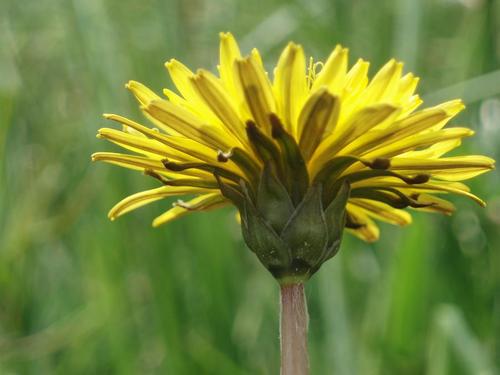
Taraxacum subalpinum
Photo: Photo: (c) Radim Paulič, some rights reserved (CC BY-NC), uploaded by Radim Paulič
Overview
Taraxacum subalpinum is a specialized dandelion species endemic to subalpine regions, distinguished by its compact rosette of deeply lobed leaves and smaller yellow flower heads compared to common dandelions. This perennial herb plays a crucial role in high-altitude ecosystems, providing early-season nectar for alpine pollinators and serving as a food source for specialized herbivores adapted to harsh mountain conditions.
Taraxacum subalpinum faces severe threats primarily from habitat loss and degradation in its restricted alpine and subalpine environments. Climate change poses an additional significant risk by altering the specialized mountain ecosystems this species depends on, while human activities such as infrastructure development and recreational use further fragment its limited habitat.
Habitat
This species inhabits rocky meadows, scree slopes, and alpine grasslands typically found between 1,500-2,800 meters elevation. It thrives in well-drained, nutrient-poor soils with high UV exposure and significant temperature fluctuations characteristic of subalpine zones.
Other threatened species in Asteraceae
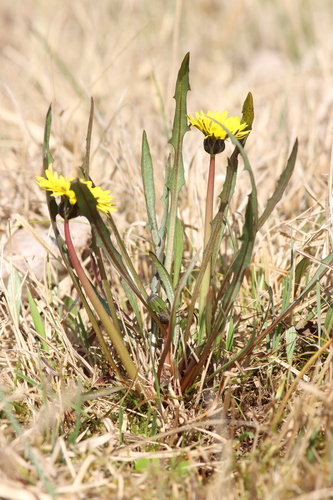

Frequently asked questions
Why is Taraxacum subalpinum classified as Critically Endangered?
Where does Taraxacum subalpinum live?
What are the main threats to Taraxacum subalpinum?
Get weekly conservation intelligence
One short digest a week of the most striking species and country data we ship, plus breaking conservation news paired with our database where it matters.
Free, no spam. One-click unsubscribe in every email.