Leptodactylodon wildi
Overview
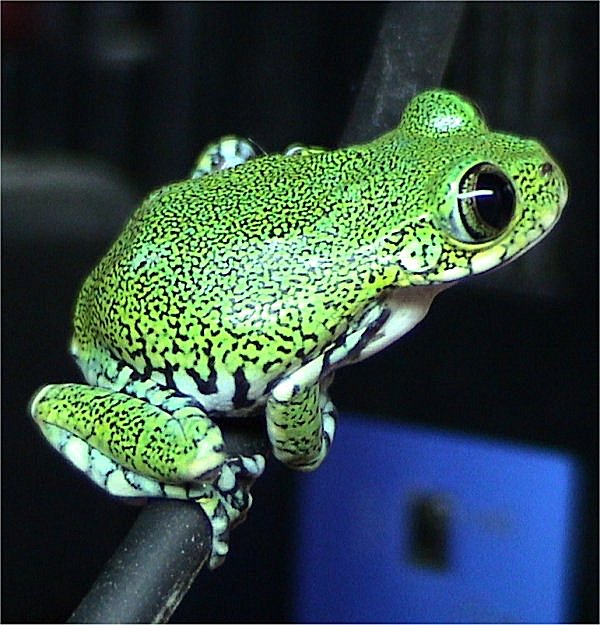
Leptodactylodon wildi, commonly called Wild's egg frog, is a species of frog in the family Arthroleptidae.
Leptodactylodon wildi faces severe threats from habitat destruction due to deforestation, agricultural expansion, and human settlement development across its limited range in West and Central Africa. The species' specialized breeding requirements in pristine forest streams make it particularly vulnerable to environmental degradation and climate change impacts on rainfall patterns.
Habitat
This species inhabits primary and secondary tropical rainforests with clean, fast-flowing streams and rocky substrates, typically found in montane and submontane forest zones between 200-1500m elevation. It requires well-vegetated riparian areas with dense canopy cover for breeding and larval development.
Conservation measures underway
Other threatened species in ARTHROLEPTIDAE

Threatened in Cameroon

Frequently asked questions
Why is Leptodactylodon wildi classified as Critically Endangered?
Where does Leptodactylodon wildi live?
What are the main threats to Leptodactylodon wildi?
Get weekly conservation intelligence
One short digest a week of the most striking species and country data we ship, plus breaking conservation news paired with our database where it matters.
Free, no spam. One-click unsubscribe in every email.