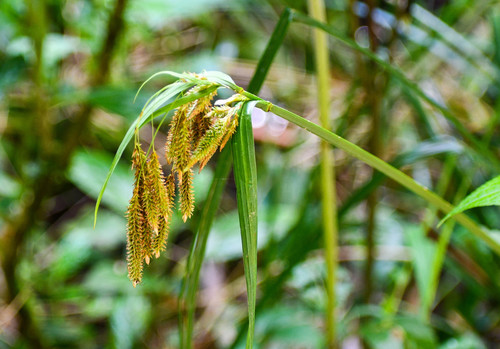
Cyperus multifolius
Overview
Cyperus prolixus is a species of sedge that is native to southern parts of North America, Central America and tropical parts of South America. It is a perennial plant that grows up to 2 meters tall. The leaves are long and narrow, and the flowers are small and white. Cyperus prolixus is found in a variety of habitats, including wetlands, meadows, and roadsides. It is a common plant and is not considered to be threatened or endangered.
Cyperus multifolius faces severe threats from urban development and agricultural expansion across its limited range in Madagascar. The species' wetland habitats are being drained and converted for rice cultivation and human settlement, while invasive plant species compete for resources in remaining suitable areas. Climate change poses additional pressure through altered precipitation patterns affecting the seasonal flooding cycles essential for this sedge's reproduction.
Habitat
This critically endangered sedge inhabits seasonal wetlands, marshes, and the margins of temporary pools in Madagascar's highland regions. It requires specific hydrological conditions with periodic flooding followed by gradual drying phases during the dry season.
Other threatened species in CYPERACEAE
Frequently asked questions
Why is Cyperus multifolius classified as Critically Endangered?
Where does Cyperus multifolius live?
What are the main threats to Cyperus multifolius?
Get weekly conservation intelligence
One short digest a week of the most striking species and country data we ship, plus breaking conservation news paired with our database where it matters.
Free, no spam. One-click unsubscribe in every email.