Cyperus flavoculmis
Overview
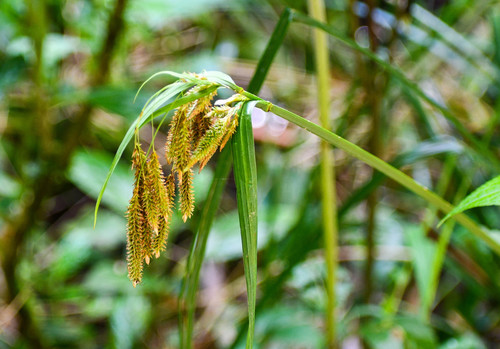
Cyperus flavoculmis is a species of sedge endemic to Kenya. It is a critically endangered species known from only one location, a salt marsh in the Machakos District.
Cyperus flavoculmis faces severe threats from agricultural expansion and urban development that have dramatically reduced its wetland habitat. The species is particularly vulnerable to water table changes and pollution from agricultural runoff, which degrades the specific hydrological conditions it requires. Its extremely limited distribution makes any local habitat disturbance potentially catastrophic for the entire population.
Habitat
This sedge species inhabits seasonal wetlands, marshy areas, and the margins of temporary pools in Mediterranean-climate regions. It requires specific hydrological conditions with periodic flooding followed by gradual drying cycles.
Conservation measures underway
Other threatened species in CYPERACEAE
Threatened in Kenya
Frequently asked questions
Why is Cyperus flavoculmis classified as Critically Endangered?
Where does Cyperus flavoculmis live?
What are the main threats to Cyperus flavoculmis?
Get weekly conservation intelligence
One short digest a week of the most striking species and country data we ship, plus breaking conservation news paired with our database where it matters.
Free, no spam. One-click unsubscribe in every email.