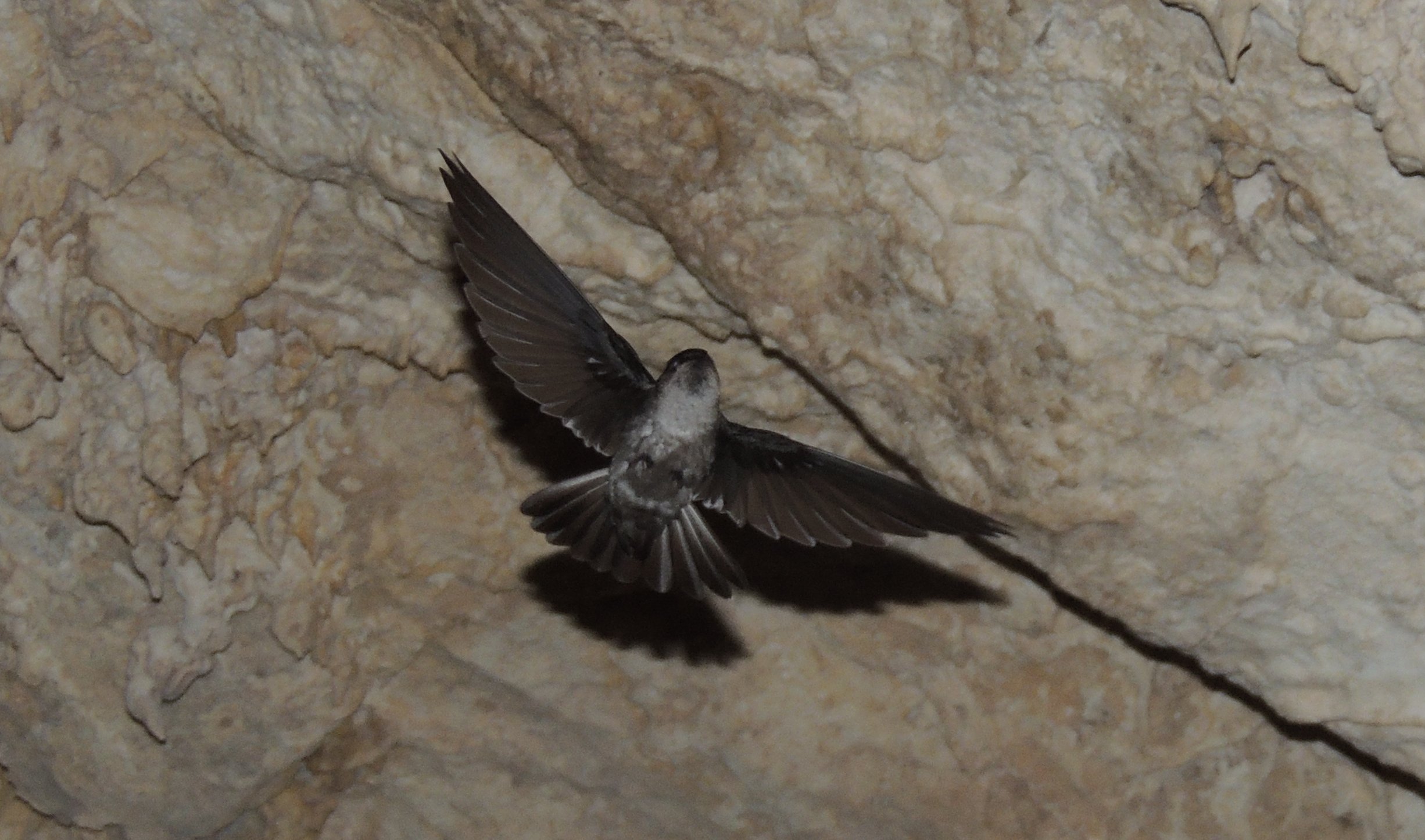
Ashy-tailed Swift
Chaetura andrei
Overview
A detailed profile for this species is sourced from the IUCN Red List of Threatened Species as assessments become available.
Chaetura andrei faces significant pressure from deforestation and habitat fragmentation across its limited range in the Amazon Basin. The species' dependence on primary forest canopy for nesting and foraging makes it particularly vulnerable to logging operations and agricultural conversion. Climate change poses an additional threat through altered precipitation patterns that may affect the aerial insect populations this swift depends upon for food.
Habitat
This swift inhabits the canopy of primary and mature secondary rainforests in the Amazon Basin, particularly favoring areas with emergent trees. It requires intact forest structure for nesting in tree hollows and foraging for aerial insects above the forest canopy.
Other threatened species in APODIDAE
Threatened in Venezuela
Frequently asked questions
Why is Ashy-tailed Swift classified as Vulnerable?
Where does Ashy-tailed Swift live?
What are the main threats to Ashy-tailed Swift?
Get weekly conservation intelligence
One short digest a week of the most striking species and country data we ship, plus breaking conservation news paired with our database where it matters.
Free, no spam. One-click unsubscribe in every email.