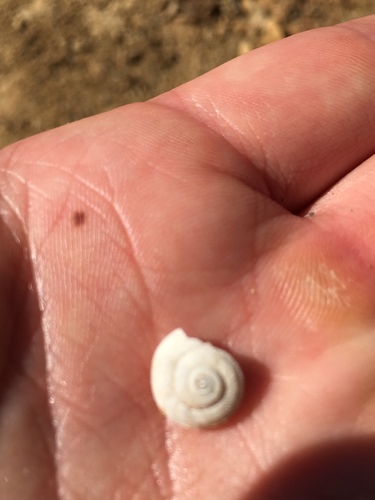
Radiocentrum avalonense
Photo: (c) Matt, some rights reserved (CC BY-NC), uploaded by Matt
Overview
Radiocentrum avalonense is a critically endangered marine sponge species endemic to the waters surrounding Santa Catalina Island (Avalon) off the coast of California. This deep-water sponge belongs to the family Geodiidae and is characterized by its distinctive radial spicule arrangement that gives the genus its name. The species was first described from specimens collected in the deeper waters of the Santa Catalina Basin, where it inhabits rocky substrates and canyon walls at depths typically ranging from 200 to 800 meters.
As a filter-feeding organism, R. avalonense plays an important ecological role in its marine ecosystem by processing water and providing habitat structure for other benthic organisms. The species faces significant threats from human activities in the heavily trafficked waters of Southern California.
Ocean warming and acidification associated with climate change pose additional challenges to this cold-water adapted species. Pollution from urban runoff, shipping activities, and potential oil spills in the busy Santa Barbara Channel region further compromise water quality in its habitat. The limited geographic range of R.
avalonense makes it particularly vulnerable to localized disturbances. Conservation efforts are hampered by the species' deep-water habitat, which makes monitoring and research challenging and expensive. Current conservation strategies focus on marine protected area designation and water quality monitoring, though specific population assessments remain difficult to conduct given the technical requirements for deep-sea research in this region.
Radiocentrum avalonense faces threats from climate change impacts including ocean warming and acidification, which affect its deep-water habitat requirements. The species is also vulnerable to pollution from urban runoff, shipping traffic, and potential oil spills in the heavily industrialized Southern California coastal region.
Habitat
This species inhabits deep marine waters around Santa Catalina Island, typically found on rocky substrates and canyon walls at depths between 200 and 800 meters. It occurs in the cold, nutrient-rich waters of the Santa Catalina Basin off the Southern California coast.
Other threatened species in OREOHELICIDAE
Threatened in United States
Frequently asked questions
Why is Radiocentrum avalonense classified as Critically Endangered?
Where does Radiocentrum avalonense live?
What are the main threats to Radiocentrum avalonense?
Get weekly conservation intelligence
One short digest a week of the most striking species and country data we ship, plus breaking conservation news paired with our database where it matters.
Free, no spam. One-click unsubscribe in every email.